Straight answer
Anime genres describe what a story does: action, adventure, comedy, romance, slice of life, mecha, sports, isekai, magical girl, mystery, horror, sci-fi, fantasy and more. They are not the same as shonen or seinen, which name the target audience. Most shows carry several anime genres at once, so read the mix, not one label.
New fans ask this constantly. The answers are usually a mess.
Half the lists online call shonen a genre. The other half skip the labels that only exist in anime. So I counted what the biggest fan database actually files under each label: what the main anime genres mean, how many titles sit in each, and where to start.
What are anime genres?
Anime genres are labels for the kind of story a show tells and the feeling it is built to give you: fights, laughs, romance, calm, fear or a puzzle. Fan databases use them to sort shows, and almost every series gets several. A genre tells you what happens; it does not tell you who the show was made for.
The biggest English-language database, MyAnimeList (MAL), splits its labels into four groups on its anime search page. As of October 2026, MyAnimeList lists 18 core genres, 52 themes and 5 demographics, plus a separate explicit group this guide leaves out. Mecha, isekai and iyashikei, labels fans call genres every day, are filed by MAL as themes.
How we researched the counts: every number in this guide comes from the label list on MyAnimeList’s anime search page, read on October 6, 2026. Each count is the number of MAL entries carrying that tag, which includes movies, specials and short entries, not only TV series. One show can carry five tags, so the counts overlap and never add up to a total.
Is shonen a genre?
No. Shonen, shojo, seinen and josei are demographics: they name the magazine readership a story was first aimed at, by age and gender. A shonen series can be a sports comedy, a horror story or a romance. Genre is what the story does, demographic is who it was sold to, and every show has both.
It’s the most argued point in every genre thread, and MAL keeps demographics in their own list: as of October 2026, MyAnimeList tags 2,312 entries Shounen and 1,227 Seinen. For the four audiences in full, read what shonen actually means. This guide is about genres only.
15 anime genres at a glance
These are the 15 anime genres newer fans meet most, one example each, with MyAnimeList’s count and whether MAL files the label as a genre or a theme.
| Genre | What it is | Defining trait | One example | MAL titles (Oct 2026) |
|---|---|---|---|---|
| Action | Stories driven by fights, chases and physical conflict | The climax is a battle | Demon Slayer | 5,035 (genre) |
| Adventure | A journey through new places toward a goal | The map keeps growing | One Piece | 4,628 (genre) |
| Comedy | Stories built to make you laugh, from gags to sitcom | Timing beats plot | Nichijou | 8,036 (genre) |
| Romance | Two people slowly figuring out their feelings | The question is “will they?” | Horimiya | 2,321 (genre) |
| Slice of life | Ordinary days with low stakes and real routines | Small moments carry the episode | Barakamon | 1,304 (genre) |
| Iyashikei | Calm slice of life meant to soothe the viewer | Nothing bad is coming | Laid-Back Camp | 190 (theme) |
| Mecha | Giant piloted robots, usually in battle | The machine is half the cast | Mobile Suit Gundam | 1,364 (theme) |
| Sports | Training, rivals and matches in a real sport | Tournament arcs | Haikyu!! | 842 (genre) |
| Isekai | A person transported or reborn into another world | Modern mind, strange world | Ascendance of a Bookworm | 515 (theme) |
| Magical girl | Young girls who transform to use magic | The transformation sequence | Cardcaptor Sakura | 376 (theme) |
| Mystery | A puzzle or crime the audience tries to solve | Clues are planted early | Case Closed | 1,042 (genre) |
| Psychological | Conflict fought inside characters’ heads | Mind games over fist fights | Death Note | 491 (theme) |
| Horror | Stories built around dread and the unknown | Atmosphere first | Mononoke | 613 (genre) |
| Sci-fi | Technology, space or science bending the rules | One “what if” changes everything | Steins;Gate | 3,609 (genre) |
| Fantasy | Magic, myth or invented worlds | The world has its own rules | Frieren: Beyond Journey’s End | 6,305 (genre) |
Source: MyAnimeList anime search page label counts, read October 6, 2026; examples checked against each title’s MyAnimeList tags.
Comedy is the biggest genre on MAL, with 8,036 entries as of October 2026, ahead of fantasy at 6,305. And isekai, the label people assume is everywhere, sits at 515 entries per MyAnimeList, fewer than horror. It dominates recent seasons, not the archive. The full story is in our isekai explainer.
What makes an anime an action anime?
An action anime is one where physical conflict drives the story: fights, duels, chases and battles that decide what happens next. The quiet scenes exist to load the next fight with stakes. Action is the third most common of the anime genres in this list, behind comedy and fantasy, with 5,035 MyAnimeList entries as of October 2026.
The oldest action engine is bare-handed fighting. MyAnimeList tags 795 entries with its Martial Arts theme as of October 2026, and it shapes how action anime looks as much as how it plays: the training montage, the gi, the low stance before the first hit. Those shapes are so recognizable that fans wear them, the way this fighter-inspired collection turns fight-camp silhouettes into sneakers and hoodies you can wear off the mat.
Action vs adventure: action is the fight in front of you, adventure is the road and the long goal. Most battle series are both.
What is slice of life anime?
Slice of life anime follows ordinary people through ordinary days: school, work, hobbies, family, a small town. There is no world to save. The pleasure comes from routine, small jokes and characters you get used to. As of October 2026, MyAnimeList files 1,304 entries under Slice of Life, and many also carry a comedy tag.
The term is older than anime: Wikipedia’s slice of life article describes it as a depiction of mundane experiences, often without much plot or conflict.
Inside it sits iyashikei, Japanese for “healing”. Wikipedia defines it as a sub-genre of slice of life that shows characters living peaceful lives in calming places, made to have a healing effect on the viewer. It is the label to search when you want comfort, not stakes.
In a well-known r/anime write-up on iyashikei as “the science of comfy”, one commenter recalled coming home in a foul mood after a three-hour exam, putting on a quiet countryside-witch episode on a whim, and still feeling refreshed by the end. That is the genre working as designed.
Honest take: slice of life is the genre people quit after one episode and love after four. Give it three episodes before you decide.
What is mecha anime?
Mecha anime is built around giant robots, usually piloted by people and used in battle. Wikipedia’s glossary of anime and manga splits it into two kinds: super robots, with unrealistic powers, and real robots, which are more realistic and utilitarian. As of October 2026, MyAnimeList tags 1,364 entries with Mecha, filed as a theme.
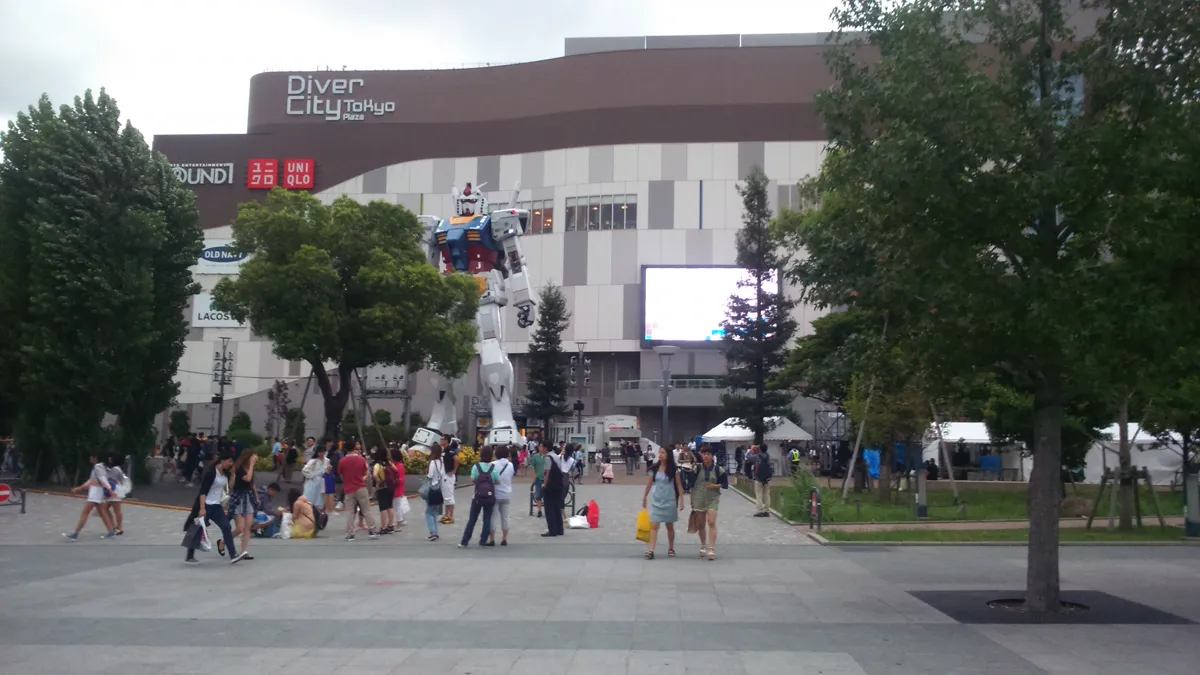
The split has clear starting points. According to Wikipedia’s mecha anime and manga article, Go Nagai’s Mazinger Z (1972) defined the super robot, and Mobile Suit Gundam (1979) is largely considered the first series to bring in the real robot idea, treating the machines as military hardware with limits. The same article credits the genre with boosting scale model robot kits.
Mecha is rarely only mecha: Neon Genesis Evangelion carries Sci-Fi, Drama and Suspense genres plus Mecha and Psychological themes on MyAnimeList.
Why does sports anime hit harder than it should?
Sports anime follows athletes through training, rivalries and matches in a real sport, and it hits hard because it compresses years of practice into a few seasons of wins and losses you feel with the team. MyAnimeList lists 842 Sports entries as of October 2026, plus a separate Team Sports theme with 332.
Among anime genres, sports has deep roots. Wikipedia’s sports manga article says sports stories became a distinct category in the early 1950s, gained real visibility around the 1964 Tokyo Olympics, and are credited with introducing new sports to Japan and popularizing existing ones.
The part Western labels miss is sakuga. Wiktionary defines sakuga as a sequence of noticeably higher animation quality used to highlight an important scene. Sports anime is built around those moments. You’re watching the studio spend its best frames on one swing.
It lands with people who have played, too. In an r/haikyuu thread, a former competitive fencer who trained two to three hours every weekday wrote that the volleyball show captured that whole life, and other ex-athletes in the replies agreed.
Which anime genres have no Western label?
Four anime genres have no clean shelf in a Western streaming menu: iyashikei, isekai, magical girl and sakuga-heavy sports. Each mixes a format, a mood or an origin story that Western labels split up.
- Iyashikei: not just “relaxing”. Wikipedia’s iyashikei article says the style emerged as a distinct sub-genre in 1995, in the wake of the Great Hanshin earthquake and the Tokyo subway attack, when calm itself became something people wanted to buy.
- Isekai: not just fantasy. Wikipedia’s isekai article describes it as a person transported or reborn into another world, a format popularized by novels posted online since the 2000s.
- Magical girl: not just a kids’ genre. Wikipedia’s magical girl article dates the first one to Sally the Witch (1966) from Toei Animation, then traces the team-fighting format of Sailor Moon and the darker, older-audience turn of Puella Magi Madoka Magica in 2011.
Genre blends: how anime genres combine in real shows
Almost no anime sits in one genre. I pulled the MyAnimeList tags for the examples in this guide on October 6, 2026, and the pattern is clear: the shows people call classics stack three to five anime genres and themes.
- Sci-fi + suspense + psychological: Steins;Gate carries Drama, Sci-Fi and Suspense genres with Psychological and Time Travel themes. The tech is the setup; the mind games are the show.
- Slice of life + mystery + iyashikei: Mushishi is tagged Adventure, Mystery, Slice of Life and Supernatural, with an Iyashikei theme. Calm and eerie at once.
- Magical girl + psychological: Puella Magi Madoka Magica is tagged Drama and Suspense, with Mahou Shoujo and Psychological themes. The transformation sequence is a trap.
- Sports + drama: Ping Pong the Animation carries Drama and Sports with a Seinen demographic.
Honest take: when a recommendation says “it’s a romance”, check the other tags before you press play. The second and third labels tell you what the episodes actually feel like.
Which anime genres should a beginner start with?
Of all the anime genres, start with the one you already like in live-action TV, then pick the most self-contained show in it. Comedy and slice of life are the easiest entries because episodes stand alone. Action and adventure ask for more episodes. Match the genre to your mood, not to a top-ten list.

Pick the line that sounds like you.
- “I want something on after work that won’t stress me out.” Iyashikei or slice of life. Try Laid-Back Camp or Barakamon.
- “I want to laugh in short bursts.” Comedy. Nichijou works in any order.
- “I like crime shows and figuring it out first.” Mystery or psychological. Death Note is short and tight.
- “I want big fights and a story I can binge.” Action and adventure. Demon Slayer season one, and watch in order.
- “I played a sport and miss it.” Sports. Haikyu!! is the usual first pick for a reason.
- “I want a quiet journey that still makes me cry.” Fantasy. Frieren: Beyond Journey’s End.
If none of these lands, open the genre filter on any official streaming service and stack two anime genres instead of one. More guides live on our Explainers section.
Fans also ask
How many anime genres are there?
It depends on who is counting. As of October 2026, MyAnimeList lists 18 core genres and 52 themes, plus demographics and an explicit group kept separate. Fans usually work with 12 to 15 main anime genres and treat the rest as sub-labels.
What is the most common anime genre?
Comedy is the most common of the anime genres: MyAnimeList tags 8,036 entries with it as of October 2026, more than any other core genre, followed by Fantasy at 6,305 and Action at 5,035. Many of those shows also carry a second genre.
Is isekai a genre or a theme?
Fans call it a genre, but MyAnimeList files Isekai as a theme, with 515 entries as of October 2026. Most isekai shows are tagged Fantasy as their core genre, with Isekai and often Reincarnation on top.
Is psychological anime the same as horror?
No. Psychological anime is about mind games, guilt and pressure inside characters’ heads, and it can be calm on the surface. Horror is built to make you afraid. Some shows carry both tags, but plenty of psychological series contain no horror at all.
Can a kids’ anime be a magical girl show?
Yes, and many are. The genre started with children’s TV in 1966, according to Wikipedia’s magical girl article. Later series aimed at teens and adults kept the transformation format but changed the tone, so check the demographic tag as well as the genre.
Where this comes from: genre, theme and demographic counts were read from MyAnimeList’s anime search page on October 6, 2026, and each example’s tags were checked on its MyAnimeList page the same day. Definitions and history come from Wikipedia and Wiktionary; fan accounts come from public Reddit threads. Drafted with AI help, then reviewed line by line.
Sources: MyAnimeList anime search (genre, theme and demographic lists); Wikipedia: Glossary of anime and manga, Iyashikei, Slice of life, Mecha anime and manga, Sports manga, Isekai, Magical girl; Wiktionary: sakuga; Reddit r/anime and r/haikyuu threads.