Straight answer
The short answer to what is isekai: it’s a Japanese anime, manga and light novel genre where an ordinary character ends up in another world, usually by being transported, reincarnated, summoned or trapped inside a game. The word 異世界 literally means “another world” or “different world”.
Every anime season has one. Usually five. A guy dies, wakes up somewhere with swords and slimes, and the title is a full sentence explaining all of it.
If you’re new, the word gets thrown around like you should already know it. So here’s what is isekai in plain terms, the subtypes, where it came from and a test for the shows people argue about. No spoilers past episode one. For the rest of our plain-language glossary, the anime explainers section has you covered.
What is isekai in anime and manga?
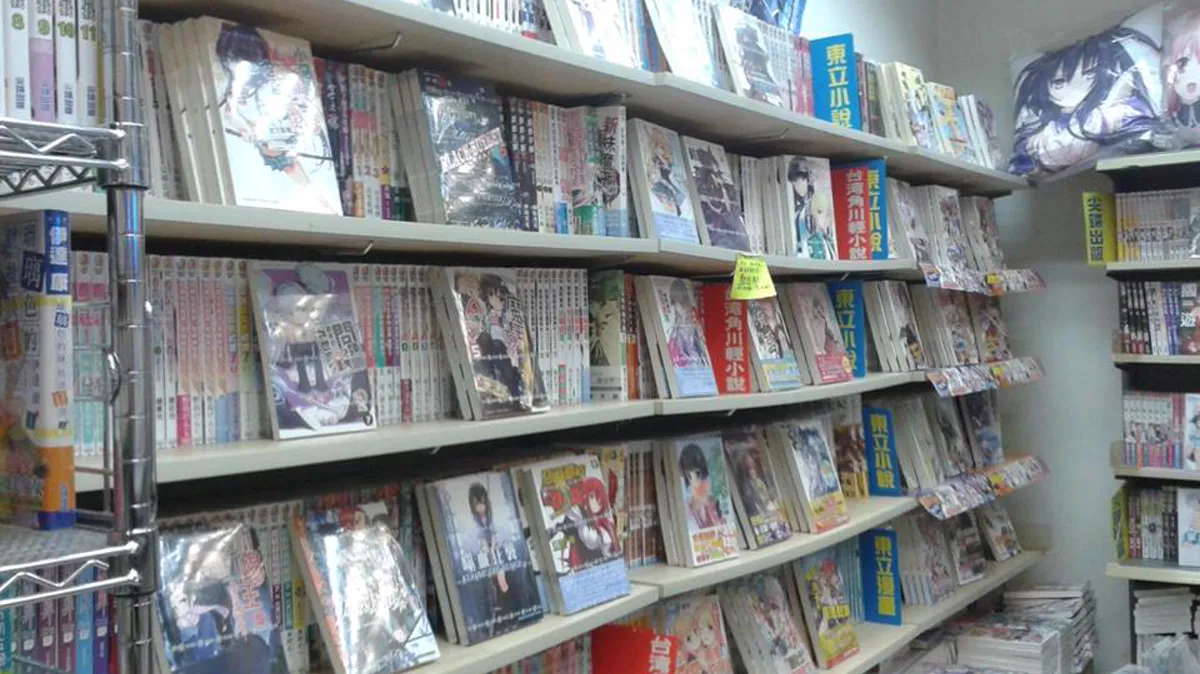
Isekai is a story setup where the main character leaves their own world and has to live in a different one. In most modern anime and manga, that means someone from present-day Japan landing in a fantasy world with magic, monsters and game-like rules such as levels, skills and status screens.
The setup does a lot of work. The hero knows as little as you do, so every rule gets explained to them, and to you. It’s a fish-out-of-water story with a built-in tutorial.
It also hands the hero an unfair edge. Ordinary knowledge from home, like cooking or a gamer’s instinct for grinding levels, becomes rare on the other side. Fans call the extreme version a cheat skill.
One thing isekai is not: a demographic. Isekai shows run in magazines aimed at teen boys, adult men and young women alike. If you want the difference between a genre and a target audience, here’s what shonen actually means.
What does isekai mean in Japanese?
Isekai is written 異世界 and means “different world” or “another world”. The first character, i (異), means different or unusual, and sekai (世界) means world. In everyday Japanese the word simply describes a world that isn’t ours, and fans turned it into the label for the whole genre.
English picked the word up too. Wiktionary lists isekai as an English noun for the genre and a slang verb: to get isekai’d is to be thrown into another world, often by dying first. Japanese publishers and readers split it further with two compound terms you’ll see on covers and web novel tags:
- Isekai tensei (異世界転生): reincarnation into another world. The hero dies and is reborn there.
- Isekai ten’i (異世界転移): transfer to another world. The hero arrives in their own body, alive.
That split matters. A reborn hero gets a new family and often a new species. A transferred hero arrives as a stranger in the clothes they were wearing.
What are the 4 types of isekai?
Most fan guides sort isekai into four types by how the hero arrives: transported, reincarnated, summoned, or trapped inside a game. Each type sets up a different first episode and a different kind of hero, so knowing the type tells you a lot about a show before you press play.
| Type | How the hero gets there | What it usually means for the story | One example |
|---|---|---|---|
| Transported (ten’i) | Appears in the new world alive, in their own body, often with no explanation | Total outsider, no status, has to survive from day one | Re:Zero (the hero walks out of a convenience store into a fantasy city) |
| Reincarnated (tensei) | Dies at home, is reborn in the other world with memories intact | New body, new family, a slow build from childhood or a non-human start | That Time I Got Reincarnated as a Slime |
| Summoned | Called over on purpose by a ritual, a kingdom or a god | Arrives with a job to do, and the people who summoned them have an agenda | The Rising of the Shield Hero (summoned as one of four heroes) |
| Trapped in a game | Stuck inside a video game world that has become real or can’t be logged out of | Game rules apply literally; players use what they know about the game to survive | Log Horizon (thousands of players stuck in the online game Elder Tale) |
Source: Komogear type breakdown; series premises from each title’s published synopsis, as of October 2026.
Academics count differently. In a 2021 survey of isekai manga published in the Journal of Anime and Manga Studies, researcher Paul Price surveyed 746 manga series labelled isekai by publishers or fans and sorted them into four types: portal-quest, immersive, intrusion and liminal. Those are the four categories fantasy scholar Farah Mendlesohn proposed for fantasy in general in her 2008 book Rhetorics of Fantasy.
Price found the portal-quest story, where a hero crosses over and goes on a quest, was the most common type: 427 of the 746 series. He also found that most of the series are inspired by first-person shonen and otome computer games. That lines up with the levels and skill menus you see in so many shows.
Honest take: the fan types tell you how a show starts. Price’s types tell you how it plays. A summoned hero and a reborn hero can both end up in the same quest-shaped plot by episode three.
What is reverse isekai?
Reverse isekai flips the direction: a character from a fantasy or otherworldly setting ends up in our world, usually modern Japan. The Devil Is a Part-Timer! is the go-to example, with a demon lord working shifts at a fast-food counter in Tokyo.
The idea is older than the label. Wikipedia’s isekai entry points to the 1966 anime Sally the Witch, about a young witch princess who comes to the human world, as an early case. Price’s survey has its own name for this direction: an intrusion story, where the fantasy breaks into the hero’s world instead of the other way round.
Where did isekai come from?
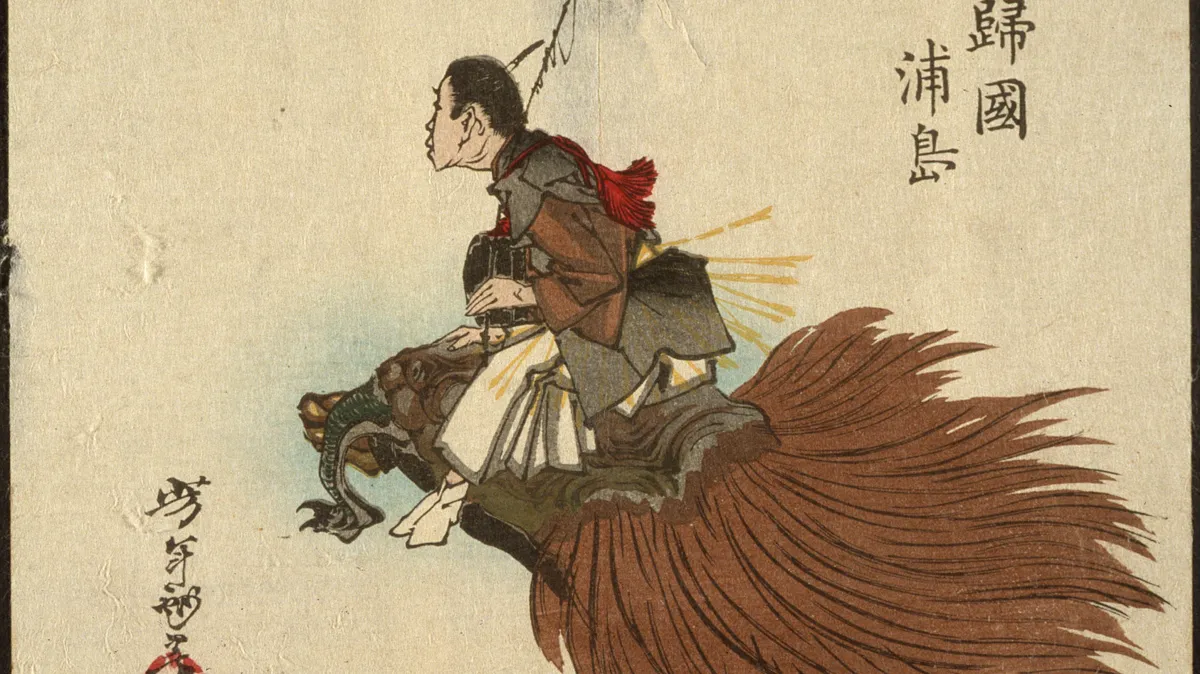
Isekai grew out of very old another-world stories, got its modern form in Japanese novels and anime of the late 1970s and 1980s, and exploded once web novel sites let amateur writers publish serial fantasy for free. The folktale of Urashima Taro, a fisherman who visits a palace under the sea, is often cited as a distant ancestor.
The modern timeline, according to Anime News Network writer Mike Toole as cited by Wikipedia’s isekai article, starts with Haruka Takachiho’s novel Warrior from Another World in 1979 and the anime Aura Battler Dunbine in 1983. Later hits like Inuyasha and Digimon Adventure fit too, though many fans never filed them under the label.
That last point comes up a lot. Under an explainer video on YouTube, several viewers wrote that they only realized years later that Digimon or Inuyasha had been their first isekai, long before they knew the word existed.
The big shift came online. Wikipedia dates the launch of the web novel site Shōsetsuka ni Narō (“Let’s Become a Novelist”) to 2004, and its reader rankings filled up with isekai serials. Publishers then picked up the most popular serials as light novels, and those light novels became manga and anime. If you want the publishing side of that pipeline, we cover how light novels work in a separate guide.
It’s still running. Wikipedia’s entry on the site reports that in 2025, between eight and ten isekai anime aired each season and 70 to 85 percent of them were based on novels that started there.
Why did isekai take over anime?
Isekai took over because it was cheap to start, easy to pitch and backed by a deep pile of web novels that had already proven they had readers. Studios could adapt a story with a built-in audience, and the setup let viewers learn a new world in one episode. Supply went up fast, and so did the fatigue.
The numbers show both sides. Anime News Network’s January 2025 analysis by Miles Thomas Atherton, using MyAnimeList data, counted these new isekai TV series per year:
- 2020: 8 new isekai series (ANN count)
- 2021: 26
- 2022: 23
- 2023: 33
- 2024: 34, about 15 percent of all new TV anime that year
Contest organizers noticed the glut early. In 2016, a short story contest run by Bungaku Free Market and Shōsetsuka ni Narō barred isekai entries outright, as Anime News Network reported at the time. Then in May 2017, SoraNews24 reported that Kadokawa’s light novel label Novel 0 had banned alternate-world stories from its “Entertainment Novels that Adults Want to Read” contest. Any genre was allowed except isekai, and the hero had to be an adult man. Per the same report, submissions ran from June 1 to July 16, 2017, for a 300,000 yen prize and publication.
Nine years later, the same publisher said the quiet part out loud. According to Automaton West, Kadokawa reported a 51.3 percent drop in operating profit for the fiscal year ended March 2026, and its new mid-term plan blamed “excessive reliance on existing winning patterns”, naming proven genres such as isekai and narou-kei.
Viewers feel it too. In an r/anime thread for new fans, one self-described isekai fan said they often quit new ones after an episode or two because each felt like four shows they had already seen. That’s the real reason the genre has a bad name: not the premise, the copies.
Is this isekai? The 3-question test
Ask three questions. Does the main character start in one world? Do they end up living in a different world they did not grow up in? Is that move the engine of the story, not a one-episode detour? Three yeses means isekai. A no on any of them means you’re looking at regular fantasy, sci-fi or time travel.
Run it on the shows people fight about:
- Inuyasha: Kagome falls through a well from modern Tokyo into feudal-era Japan and spends the series moving between the two. Three yeses. Same country, but to her it’s another world with demons and its own rules.
- Digimon Adventure: kids from summer camp are pulled into the Digital World, and the whole plot happens there. Three yeses. Isekai.
- Sword Art Online: players are locked inside a virtual reality game where dying in the game is fatal. Their bodies never leave Japan. That splits fans on question two, and Wikipedia notes the creator himself disputes the isekai label. Call it game-world fantasy that sits next door to isekai.
- A hero born and raised in a fantasy world: fails question one. That’s plain fantasy, however many status screens it has.
Which isekai should you watch first?
Pick your first isekai by how much you like the genre’s tropes. If you want the classic comfort version, start with That Time I Got Reincarnated as a Slime. If you hate power fantasy, start with Re:Zero. If you want the tropes roasted, save KonoSuba for second, because the jokes land harder once you know what it’s mocking.
- You want a cozy power fantasy: That Time I Got Reincarnated as a Slime. The hero gets strong fast, then builds a town.
- You want a hero who struggles: Re:Zero. His only power is coming back after he dies, and he keeps dying. Fair warning, it gets dark and violent.
- You like strategy and game systems: Log Horizon. Players work out how a game world runs once it’s real.
- You want no combat at all: Ascendance of a Bookworm. A book lover is reborn in a world where books are rare, so she sets out to make them.
- You already know the tropes: KonoSuba, the parody. Best watched after one straight isekai.
Slime, Re:Zero, Log Horizon and Ascendance of a Bookworm all started as web novels on Shōsetsuka ni Narō, according to Wikipedia’s entry on the site. Watch in order within each series, on the official streaming services in your country.
Fans also ask
Is isekai a genre or a trope?
Both, depending on who you ask. Publishers and stores treat isekai as a genre label, while many fans see it as a setup that can sit on top of fantasy, comedy, romance or horror. The practical answer: it tells you how the story starts, not what kind of story it becomes.
Why do so many isekai start with a truck?
Reincarnation stories need the hero to die quickly in episode one, and a traffic accident is the fastest ordinary death a writer can use. It happened in so many web novels that fans nicknamed the vehicle “Truck-kun”. Wiktionary even notes that getting isekai’d often involves dying first.
Is isekai only a Japanese thing?
The word is Japanese, but the idea isn’t. Western portal fantasy follows the same pattern: Alice falls into Wonderland, Dorothy lands in Oz. Modern isekai differs mostly in its game-like rules, its web novel roots and the sheer number of titles released every year.
Can the hero ever go home in an isekai?
Sometimes. In many reincarnation stories the hero’s old life is over, so going back isn’t an option. Other stories are built around travel between worlds, like Inuyasha, where the heroine crosses back and forth through a well, or end with the hero choosing which world to stay in.
What does it mean when someone says they got isekai’d?
It’s fan slang for being thrown into another world, usually by dying first, and Wiktionary lists it as an English verb. Online it’s also used as a joke for any sudden, total change of scenery, like starting a new job in a city where you don’t know anyone.
How we researched this guide: definitions were checked against Wiktionary and Wikipedia, the four academic types and series counts against Paul Price’s 2021 survey, and industry figures against Anime News Network, SoraNews24 and Automaton West reports. Reader questions came from Reddit, YouTube and Google’s related questions. AI helped draft this guide; a human writer checked every fact and edited it.
Sources: Price, “A Survey of the Story Elements of Isekai Manga” (2021); Anime News Network, “The State of Isekai Anime” (January 2025); SoraNews24 (May 2017); Automaton West (May 2026); Wikipedia entries on isekai and Shōsetsuka ni Narō.