
Straight answer
To understand what is shonen, you must look at Japanese publishing categories: shonen literally means boy and refers to a target demographic of young males aged 12 to 18, not a specific story genre. Shonen series range from sports and romances to supernatural battles, defined strictly by their serialization in magazines like Weekly Shonen Jump.
Walk into any Japanese bookstore and you will notice that manga is rarely organized by genre like mystery, romance, or science fiction. Instead, volumes are grouped by publisher imprints and target audiences. When newcomers ask what is shonen, they frequently expect a rigid formula about martial arts tournaments and shouting heroes. The honest take is different: shonen describes who a magazine is marketed to, not what type of story an author is allowed to tell.
Because Western entertainment labels stories by narrative structure like comedy or action thriller, international fans easily confuse editorial demographics with story tropes. Understanding this distinction clarifies why quiet comedies, psychological thrillers, and colossal fantasy adventures all share the same demographic label on store shelves.

What Is Shonen? Demographic Rather Than a Genre
Shonen is a publishing demographic targeted at young adolescent males rather than a narrative genre. A genre describes what happens in a story, whereas a manga demographic indicates which serialized magazine initially published the chapters. Consequently, shonen encompasses sports dramas, school romances, slapstick comedies, and science fiction epics.
The Japanese word shonen translates directly to boy or youth. When Shueisha launched Weekly Shonen Jump in 1968, followed by competitors like Kodansha’s Weekly Shonen Magazine and Shogakukan’s Weekly Shonen Sunday, their editorial guidelines aimed at readers in middle school and high school. To make reading accessible for younger audiences, shonen manga features furigana, which are small phonetic kana characters printed alongside kanji ideograms to assist with pronunciation.
Once you understand that shonen designates an audience bracket, the enormous thematic diversity of the medium makes complete sense. A sports series about volleyball like Haikyu!!, a supernatural detective story like Death Note, a historical fantasy like Demon Slayer, and a cooking competition like Food Wars! all qualify equally as shonen because they were serialized in shonen periodicals.
Honest take: Stop treating shonen like a box of combat tropes. The label simply tells you which magazine bought the serialization rights. The manga can be about baking bread, playing chess, or battling aliens; as long as it speaks to adolescent ambition, it fits the imprint.
Demographic Breakdown: Shonen, Shojo, Seinen, and Josei
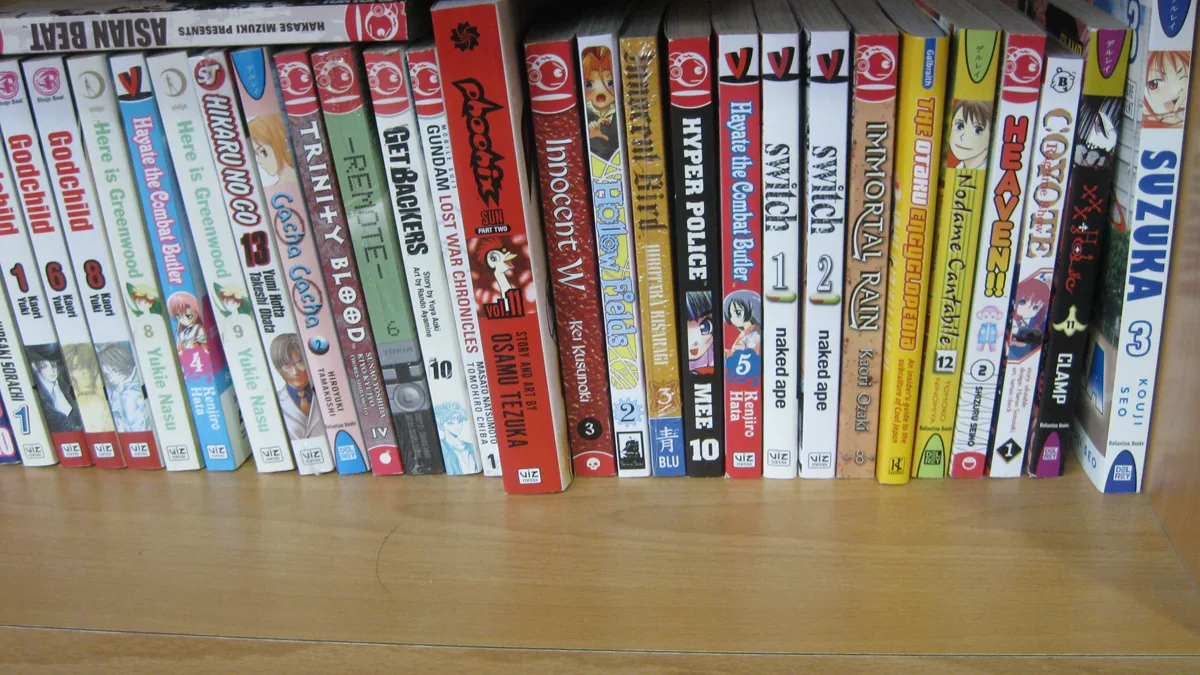
Japanese manga publishing divides into four primary demographic quadrants based on age and gender: shonen for young males, shojo for young females, seinen for adult men, and josei for adult women. Each quadrant features dedicated anthologies, distinct visual conventions, and specialized editorial priorities.
The table below provides a structured side-by-side comparison of all four core demographics, showing typical reader age groups, flagship publications, and world-renowned title examples as of October 2026:
| Demographic | Target Audience | Flagship Magazines | Key Narrative Focus | Notable Series |
|---|---|---|---|---|
| Shonen | Males aged 12 to 18 | Weekly Shonen Jump, Shonen Magazine | Comradeship, perseverance, personal growth, active agency | One Piece, Jujutsu Kaisen, Naruto, Bleach |
| Shojo | Females aged 12 to 18 | Ribon, Margaret, Hana to Yume | Emotional interiority, relationships, identity, expressive visual flow | Fruits Basket, Sailor Moon, Nana, Kimi ni Todoke |
| Seinen | Males aged 18 to 45+ | Weekly Young Jump, Young Animal, Afternoon | Moral ambiguity, societal critique, psychological realism, uncensored stakes | Berserk, Vinland Saga, Tokyo Ghoul, Monster |
| Josei | Females aged 18 to 45+ | Feel Young, Be Love, Kiss | Workplace realism, complex romance, domestic balance, mature adulthood | Chihayafuru, Paradise Kiss, Princess Jellyfish |
Source: Japan Magazine Publishers Association (JMPA) circulation classifications and Kodansha editorial archives as of October 2026.
While these boundaries look neat on an editorial spreadsheet, real-world readership crosses demographic lines constantly. Survey figures released by the Japan Magazine Publishers Association indicate that over forty percent of modern shonen magazine subscribers identify as female or adult readers. For deeper breakdowns on how long-running shonen narratives handle pacing and episode roadmaps, explore our complete anime filler guide to see how decades of serialization play out in practice.
What Are the Defining Themes of Shonen Stories?
The defining themes of shonen stories center on personal effort, loyalty to friends, and overcoming adversity through relentless determination. Shueisha codified these priorities into Weekly Shonen Jump’s legendary editorial motto: Friendship, Effort, and Victory.
Even though creators possess broad freedom in setting and plot, most classic shonen narratives return to several core emotional touchstones that resonate deeply with young people discovering their place in the world:
- The Underdog Catalyst: Protagonists rarely start as invincible masters. They begin with obvious flaws, social marginalization, or physical deficits that require hard work to correct.
- Earned Progression: Power systems like Nen in Hunter x Hunter or Cursed Energy in Jujutsu Kaisen require deliberate discipline, knowledge acquisition, and physical sacrifice.
- Found Family and Rivalry: Companions are not merely spectators; they push the main character forward. Rivals act as mirrors reflecting the hero’s shortcomings while driving both competitors toward higher skill levels.
- Optimistic Perseverance: Even when facing overwhelming systemic villainy, shonen champions maintain an unyielding belief that honest effort and moral integrity can reshape destiny.
According to reader discussions documented on Reddit manga discussions, this reliable emotional optimism is precisely why many older readers return to shonen for comfort even after exploring grittier adult literature.
Why Do Dark Psychological Series Remain in Shonen?
Dark series like Chainsaw Man, Attack on Titan, and Jujutsu Kaisen remain classified as shonen because they were serialized in shonen publications and focus on youthful rebellion against corrupt authority. Editorial demographics evaluate the target audience and protagonist mindset, not the presence of blood or psychological dread.
Western viewers often assume that any story featuring visceral violence or existential dread must automatically become seinen. In Japanese publishing, however, editors recognize that adolescent readers frequently crave intense, high-stakes narratives that take their anxieties seriously. In Kodansha’s Bessatsu Shonen Magazine, for example, Attack on Titan captured teenage feelings of confinement and generational betrayal behind city walls.
As noted in community discussions on MyAnimeList forums, the critical distinction lies in how conflicts resolve. Shonen works maintain an active protagonist who fights for personal autonomy, whereas seinen works often explore societal fatalism, bureaucratic decay, and compromises where absolute victory is impossible.
How Does Shonen Visual Design Shape Fandom Footwear?
Shonen visual style influences modern fandom fashion through distinct character silhouettes, bold hero color blocking, and dynamic athletic footwear choices. Shonen protagonists need agile, recognizable footwear that looks striking in motion panels and translates naturally into contemporary streetwear.
Because shonen artists must communicate movement, speed, and physical resolve across small black-and-white panels, character design leans heavily on iconic footwork. Think of dynamic ninja sandals, athletic court shoes in sports manga, or chunky combat high-tops. In real-world fashion, fans celebrate these design principles by styling character-colored high tops alongside relaxed cargos and oversized hoodies to mirror character silhouettes without donning full cosplay.
By focusing on color harmonies and graphic shape rather than overt branding, you create everyday outfits that communicate fandom subtlety. To explore more foundational anime terms, concepts, and cultural breakdown guides, visit our comprehensive anime explainers library for more deep dives.
Fans also ask
What does shonen mean in anime?
In the context of anime and manga, shonen is a Japanese word meaning boy that designates content marketed primarily toward adolescent males aged 12 to 18. It is an editorial demographic rather than a story genre, spanning action, comedy, sports, and romance.
What is the difference between shonen and seinen?
The primary difference is the intended age bracket of the serialized magazine. Shonen targets adolescent boys aged 12 to 18 with furigana reading aids and aspirational themes, while seinen targets adult men aged 18 and older with complex psychological themes, moral ambiguity, and mature content.
What age group is shonen manga intended for?
Shonen manga is officially targeted at readers between 12 and 18 years old. However, broad survey data shows that a substantial portion of the actual reading audience consists of adult men, adult women, and teenage girls who enjoy the high-energy storytelling.
Can a manga be shonen and shojo simultaneously?
No, a manga cannot technically be both because the classification is determined by the specific anthology in which it is published. While a shonen manga may contain romantic elements typical of shojo, its formal classification remains tied to its home publication.
Why are dark series like Chainsaw Man classified as shonen?
Chainsaw Man is classified as shonen because it was originally serialized in Weekly Shonen Jump. Japanese editors allow significant dark fantasy and horror elements in shonen magazines as long as the protagonist’s emotional journey centers on youthful defiance and personal growth.
How we researched this guide: publishing history and circulation data were gathered from the Japan Magazine Publishers Association and official editorial archives. AI helped draft this guide; a human writer checked and edited it.
Sources: Japan Magazine Publishers Association annual reports and Shueisha publishing records.