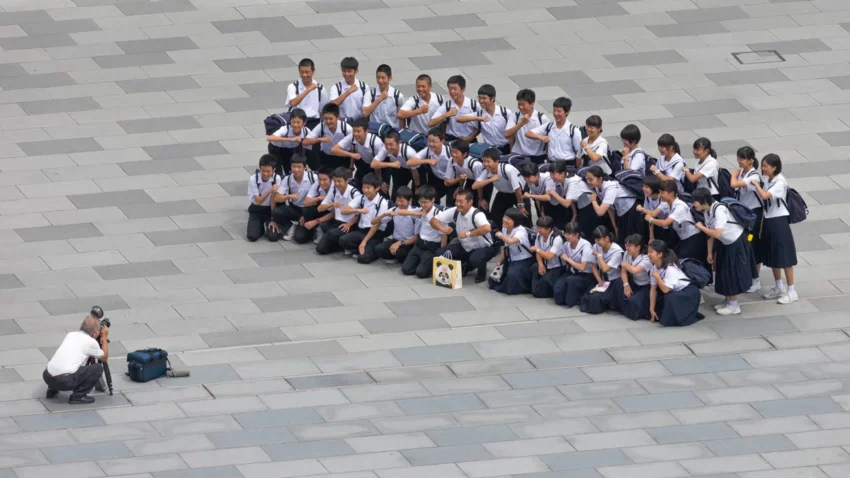
Straight answer
To understand what does senpai mean, look at Japanese social hierarchy: senpai literally means senior or elder colleague, designating someone with more experience within a school, sports club, or workplace. It functions as an honorific title showing respect to mentors, forming the reciprocal foundation of Japan’s traditional junior-senior mentorship system.
Spend five minutes watching high school anime, browsing anime photo boards, or reading community memes, and you will inevitably hear someone shouting senpai down a hallway. When international fans first encounter Japanese media, they often assume senpai functions as a romantic pet name or a term of endearment. The honest take is far more grounded: senpai is an institutional status marker rooted in centuries of Confucian social organization.
Because western schools and workplaces rarely enforce strict vertical seniority among peers of similar ages, the concept confuses foreign observers. Understanding what does senpai mean requires separating genuine Japanese social etiquette from the romanticized, exaggerated and popular tropes seen in modern anime series, as documented in our cultural archive.
What Does Senpai Mean in Japanese Culture?
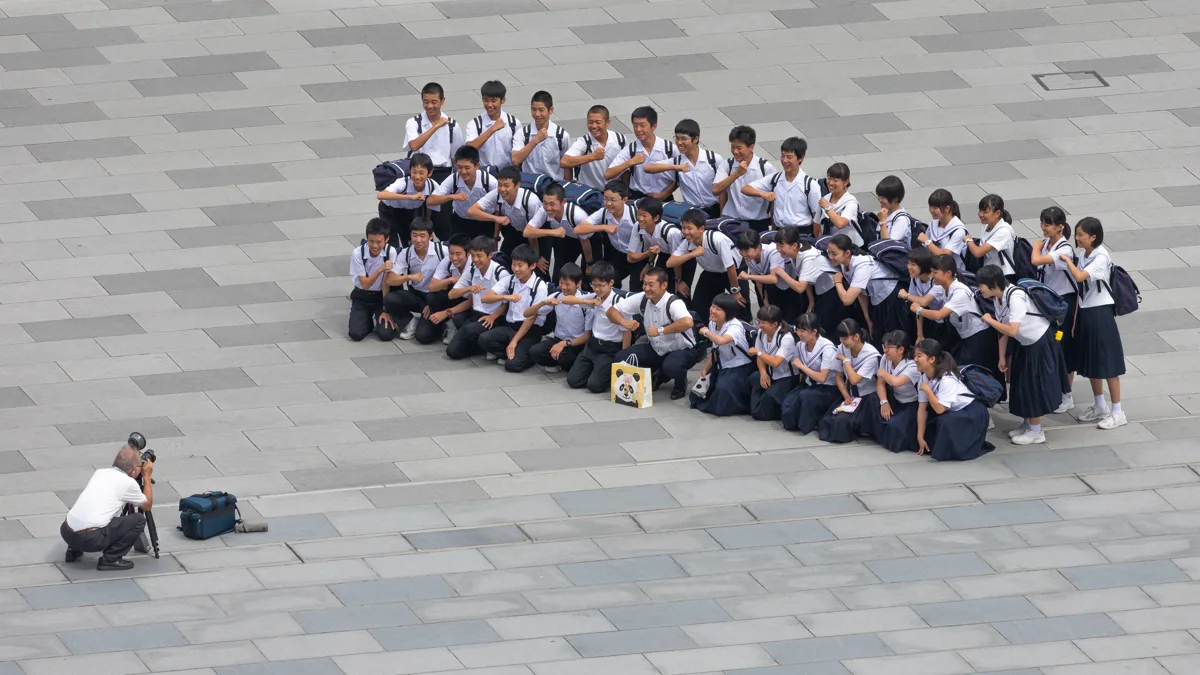
In Japanese culture, senpai designates a senior peer who has more experience or tenure within an shared institution like a school, martial arts kendo club or dojo, or corporate office. It combines the kanji for earlier or ahead with fellow or comrade, literally describing someone who entered an organization before you.
The linguistic structure of the term explains its exact societal function. The first character, sen (先), means previous, ahead, or before. The second character, hai (輩), denotes a fellow, peer, or colleague. Together, they create a respectful title that acknowledges someone who has walked the path ahead of you. According to language reference documentation in Merriam-Webster, which officially added the loanword to English lexicons, senpai denotes an upperclassman or senior colleague who offers guidance to a junior member.
In practice, senpai is not an age-exclusive descriptor. In school, a second-year student is naturally senpai to a first-year student. In the corporate world, however, an employee who entered the firm three years earlier remains senpai even if an incoming new recruit happens to be chronologically older. Professional tenure and organizational standing always dictate the title.
Honest take: Stop looking for hidden romantic subtext every time a character utters senpai. In nine out of ten real-world scenarios, it carries the exact same emotional weight as addressing a senior lab technician or an upperclass team captain.
How Does the Senpai and Kohai Relationship Function?
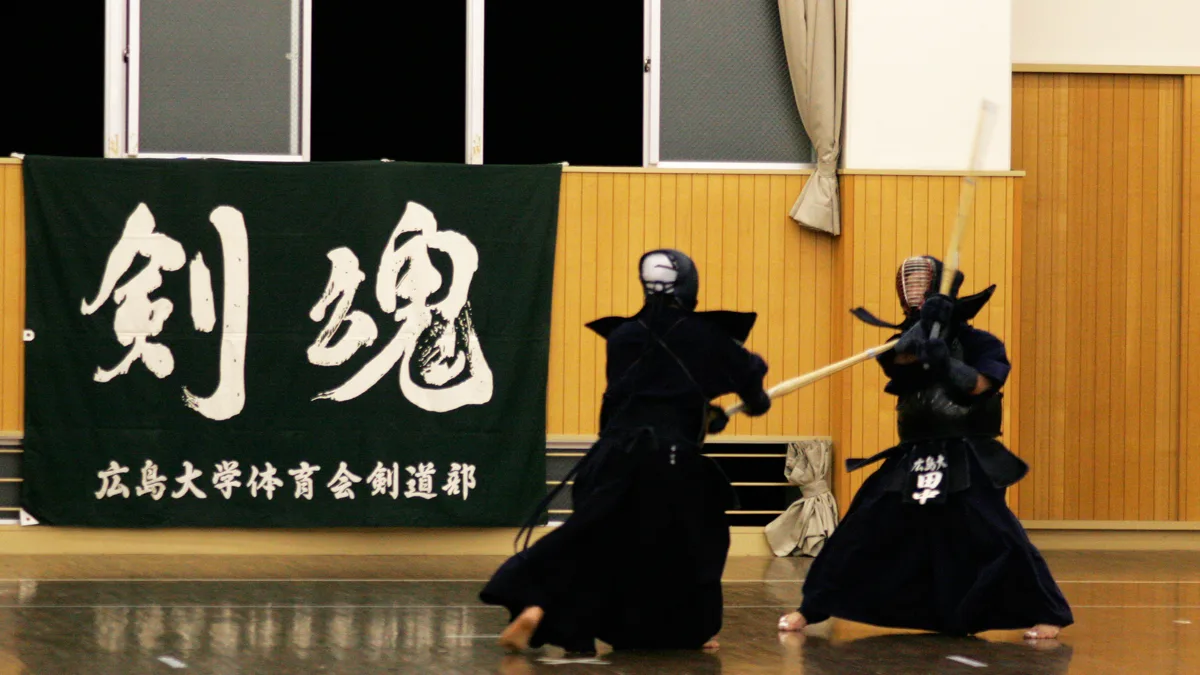
The senpai and kohai relationship operates as a two-way social contract where the junior shows deference and assists with mundane duties, while the senior provides technical training, moral protection, and mentorship. This dynamic forms the core foundation of Japanese extracurricular clubs, university circles, and business departments.
This social mechanism cannot function with only one side active. The junior partner in the relationship is called the kōhai (後輩), combining the character for behind or after with fellow. In junior high and high school sports clubs (known as bukatsu), kōhai are expected to prepare equipment, clean the gym floor, fetch water, and speak using polite honorific language known as keigo.
In exchange for this deference, the senpai shoulders real burdens of leadership and group welfare:
- Technical Mentorship: Senior students instruct juniors on sport techniques, club rules, and unspoken institutional etiquette.
- Social Protection: An honorable senpai shields underclassmen from unfair administrative blame and mediates internal peer disputes.
- Financial Hospitality: Seniors regularly cover meals and refreshments during team outings, a cultural custom known as ogoru.
As documented in community exchanges on Reddit Japanese language forums, Japanese university students frequently report that senior club members regularly cover dinners for newer members throughout their freshman semester.
Japanese Honorifics Comparison: Senpai, Kohai, and Sensei
To grasp the nuances of Japanese social titles, you must compare senpai against related honorific suffixes like sensei, san, and kun. Each honorific carries distinct vertical hierarchy levels, social distances, and conversational boundaries depending on context.
The comparison table below outlines the core hierarchy of Japanese honorifics commonly encountered across anime, manga, and daily communication as of October 2026:
| Honorific | Literal Meaning | Social Relationship | Typical Usage Context | Permitted Direction |
|---|---|---|---|---|
| Senpai (先輩) | Senior peer / predecessor | Vertical peer within same group | Upperclassmen, senior coworkers, club mentors | Used upward toward a senior member |
| Kōhai (後輩) | Junior peer / successor | Vertical subordinate within group | Descriptive category only, rarely spoken directly to faces | Used downward or descriptively |
| Sensei (先生) | Born before / teacher | Professional authority / master | Teachers, doctors, lawyers, authors, mangaka | Used upward toward authoritative professionals |
| San (さん) | Mr. / Ms. / polite neutral | Polite social baseline | Acquaintances, strangers, colleagues, customers | Neutral reciprocal polite address |
| Kun (君 / くん) | Junior / male peer | Familiar or downward hierarchy | Male classmates, younger colleagues, close friends | Used downward or horizontally |
| Chan (ちゃん) | Affectionate diminutive | Endearment and warmth | Young children, pets, close female companions | Used downward or among intimate peers |
| Sama (様 / さま) | Exalted master / lord | Extreme deference | Clients, royalty, deities, honored business patrons | Used upward in formal customer service |
Source: National Institute for Japanese Language and Linguistics (NINJAL) honorific usage classifications and Kodansha Japanese dictionary guidelines as of October 2026.
Notice the vital distinction between senpai and sensei. While both characters share the root sen (先), a sensei is an established professional teacher, physician, or author who holds absolute authority over an entire discipline. A senpai is simply an older student or more experienced coworker within your immediate team. For wider breakdowns on Japanese cultural storytelling dynamics and long-running character arcs, consult our complete anime filler guide to see how veteran mentors shepherd newer protagonists through classic shonen sagas.

Why Is Senpai a Popular Internet Meme in Modern Fandom?
Anime transformed senpai into a popular internet meme through romantic school comedies where bashful underclass protagonists pine for upperclassmen who remain blissfully oblivious to their feelings. This narrative device eventually birthed the viral catchphrase notice me senpai across social media platforms.
During the late 1990s and 2000s, shojo manga and romantic comedy anime frequently featured female leads harboring quiet crushes on third-year student council presidents, star athletes, or club captains. Because Japanese etiquette requires juniors to address seniors with the honorific, dialogue scenes overflowed with lines expressing longing for the upperclassman’s recognition. Western anime fans began translating these emotional pleas into humorous image macros. During an annual convention event, any fan contributor could wear themed badges echoing these catchphrases.
According to cultural trend archives documented on Know Your Meme, the specific phrase “I hope senpai will notice me” originated around 2012 on Tumblr. Fandom creators paired the caption with anime characters blushing with exaggerated anime sparkles. From there, the phrase crossed into mainstream internet slang, evolving into a tongue-in-cheek expression used whenever an internet user desires acknowledgment from an influential creator, celebrity, or crush.
Can You Call Yourself Senpai? Grammar and Etiquette Rules
You cannot call yourself senpai in natural Japanese speech because Japanese honorifics are strictly designed to show deference to others rather than elevate yourself. Referring to yourself as senpai sounds arrogant, self-aggrandizing, and socially clumsy.
Understanding the grammar of address clarifies why this rule is so rigid in Japan. Honorifics like -san, -sensei, and -senpai are grammatical markers of external respect. When you introduce yourself, you use humble forms, never honorific titles. A senior might say “I am your senior in this department” using neutral descriptive vocabulary, but they would never introduce themselves as Tanaka-senpai.
In addition, when addressing an upperclassman directly, you can attach the title to their family name (such as Sato-senpai) or use the word senpai completely on its own as a standalone form of direct address. When speaking to an outside third party about your senior, however, you omit the honorific to avoid elevating your own inner circle in front of clients. To master more essential Japanese pop culture terms, explore our comprehensive otaku culture library for foundational breakdowns.
Honest take: Using senpai ironically with your friends online is fun, but if you visit Japan, never demand that junior colleagues or classmates call you senpai. Respect in Japanese culture is earned and granted voluntarily by juniors, never demanded by seniors.
Fans also ask
What is the female version of senpai?
There is no separate female version of senpai because the term is completely gender-neutral. Both male and female upperclassmen and senior colleagues are addressed as senpai across schools, sports teams, and workplaces throughout Japan.
What is the opposite of senpai?
The direct opposite of senpai is kohai, which refers to a junior colleague or underclassman with less experience. However, while juniors address seniors as senpai, seniors rarely call juniors kohai to their faces, instead using their surname with kun or san.
Why is senpai sometimes spelled sempai?
Senpai is sometimes spelled sempai because the Japanese nasal sound n naturally shifts toward an m pronunciation when spoken before bilabial consonants like p, b, or m. Both spellings refer to the identical Japanese word 先輩.
Can a younger person be a senpai in Japan?
Yes, a younger person can be a senpai in workplace or specialized training settings if they joined the organization earlier or possess greater professional seniority than an older newcomer who joined the company at a later date.
Can you call your boss senpai?
No, you should generally avoid calling your direct organizational boss senpai in formal business settings. In corporate environments, bosses and managers are addressed by their specific corporate job titles, such as bucho for department manager or kacho for section manager.
How we researched this guide: cultural etiquette rules and linguistic definitions were verified through National Institute for Japanese Language and Linguistics records and bilingual dictionary archives. AI assisted with initial research collation; a human writer verified every fact and edited this guide.
Sources: National Institute for Japanese Language and Linguistics (NINJAL) publications and Merriam-Webster dictionary archives.