Straight answer
Sub vs dub comes down to one choice: a sub keeps the original Japanese voices and adds translated text, while a dub replaces the voices with a recorded translation in your language. Neither is the “real” version. Both are translations, both are official, and many dubs now stream the same day as the sub.
Every anime forum has this fight on a loop. One simple question, fifty answers to a different one.
So let’s skip the yelling. This guide takes the four sub vs dub myths I see most, checks each against what the streaming services and translators actually say, and ends with a plain way to pick. Official services only, numbers dated, no gatekeeping.
What does sub vs dub actually mean?
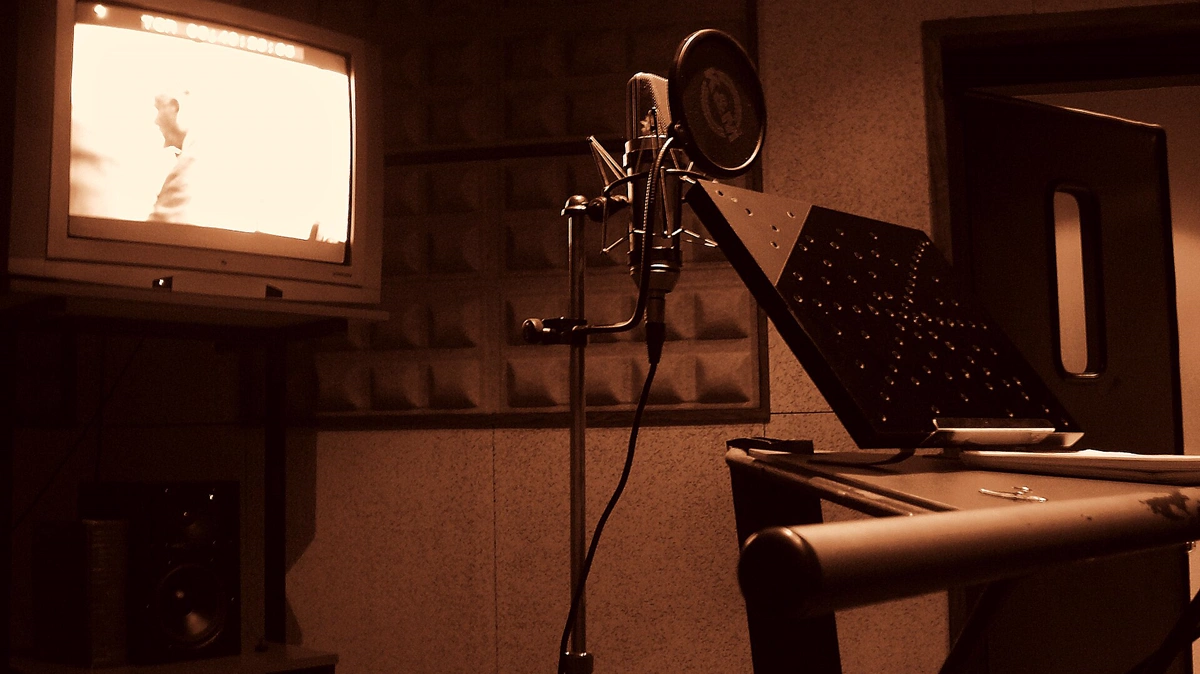
A sub, short for subtitled, plays the original Japanese audio with translated text on screen. A dub, short for dubbed, swaps the voice track for a new recording in another language, matched to the animation. Subbed vs dubbed is a choice of audio track, not of story, and most big shows on official services offer both.
Wikipedia’s dubbing article defines dubbing as adding to or replacing the recorded audio of a film during post-production, most often to replace dialogue with a translation synchronized to the picture. Subtitles, per Wikipedia’s subtitles article, are text versions of the audio, either a transcription or a translation of the dialogue.
- Sub: Japanese voice cast, English text. You read while you watch.
- Dub: English voice cast, no reading needed. Some services also offer captions on top.
What is a simulcast?
A simulcast is an episode streamed outside Japan close to its Japanese TV broadcast, usually within about a day. Anime News Network’s lexicon explains the word is a contraction of “simultaneous broadcast” and notes that anime streams usually land within roughly 24 hours, not at the same second. Simulcast describes timing, not language.
Wikipedia’s simulcast article goes further and calls the anime usage a common misuse of the term, since the online release only happens in the same period as Japan’s. Fine by me. Everyone knows what it means.
Two newer terms sit next to it. A same-day dub is an English dub released alongside the Japanese version. SimulDub was Funimation’s name for dubs that followed a few weeks behind the sub; Wikipedia’s Funimation article dates the program to October 2014.
| Format | What it is | When it appears | Best for |
|---|---|---|---|
| Sub | Original Japanese audio with translated text | Usually first, with the simulcast | Watching new episodes the week they air, hearing the original cast |
| Dub | New voice recording in your language | Same day for some titles, weeks later or never for others | Binges, multitasking, slower readers, group viewing |
| Simulcast | A release-timing label, not an audio track | Within about 24 hours of the Japanese broadcast | Keeping up weekly without spoilers |
| Same-day dub | A dub that launches alongside the Japanese version | Same day as the sub on the official service | Dub fans who want to watch the current season live |
Source: Komogear summary of Anime News Network’s lexicon, Wikipedia (Funimation, Simulcast) and Crunchyroll’s fall 2026 lineup pages, as of October 2026.
Myth 1: Do dubs change the story?
No, not in normal modern releases. A licensed dub follows the same plot, scenes and outcomes as the sub; what changes is the wording, because a translated script has to be rewritten to fit English speech and the characters’ mouth movements. Story-level rewrites are rare exceptions, and fans remember them precisely because they are rare.
That rewriting step has a job title. Crunchyroll’s own crew credits for The Laid-Off Cheat-Granting Mage Enjoys a Second Lease on Life dub list an adaptation writer and an adaptation supervisor next to the voice director. Their work is to make a translation sound like people talking, inside the timing of each mouth flap.
The famous exception proves the rule. Wikipedia’s article on Ghost Stories says Fuji TV gave ADV Films only three rules for its English dub: keep the character names, keep how the ghosts are defeated, and keep each episode’s core meaning. The cast then improvised most lines into pop-culture and fourth-wall jokes. An Anime News Network review from 2006, cited there, described the subtitled version as “horror lite” and the English dub as a topical comedy with horror overtones.
Honest take: if a dub ever rewrote a whole show again, you’d hear about it for twenty years, the same way you still do about this one. That’s the tell. The normal case is boring.
Myth 2: Are subs always more accurate?
Not always. Subtitles are also a translation, and they’re compressed to fit reading speed and screen space, so lines get shortened. Dubs fight a different limit, matching mouth movements. Each format bends the original a little in its own way, and accuracy depends far more on the translation team than on sub vs dub.
The limits are written down. Netflix’s English (USA) timed text style guide caps subtitles at 42 characters per line and sets a reading speed of up to 20 characters per second for adult programs, and it tells subtitlers to favor cutting and condensing when lines run long. A fast argument scene in Japanese simply cannot fit word for word.
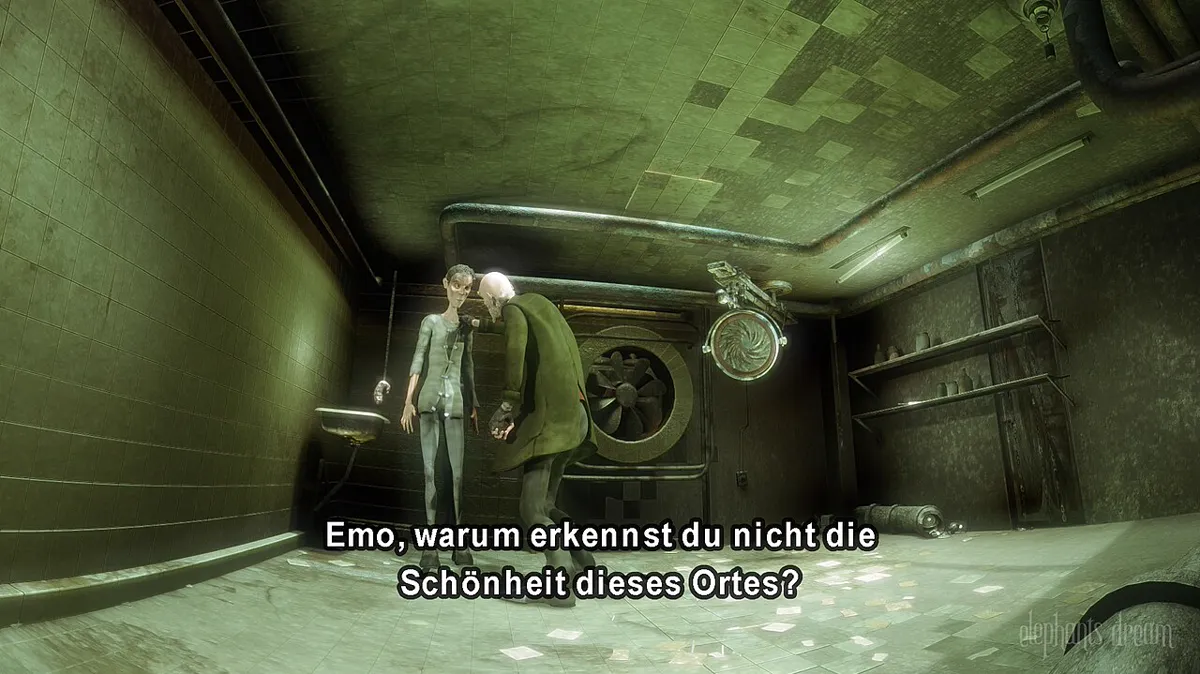
Subs aren’t one fixed thing either. In an r/evangelion thread about the gap between that show’s sub and dub, one well-upvoted reply asked which subtitles people even mean, since different subtitle tracks for the same episode changed the tone for them. Humans also slip under deadline: Anime News Network’s This Week in Anime column remembers a SSSS.Dynazenon subtitle that heard “miira” (mummy) and wrote “mirror” while the mummy was right on screen.
Myth 3: Do dubs always come out much later?
Not anymore, at least not always. As of October 2026, Crunchyroll runs a mix: some English dubs launch the same day as the Japanese version, others arrive weeks later, and some shows never get one. The old rule of thumb, sub first and dub a few weeks behind, still describes plenty of titles, but not all of them.
I checked Crunchyroll’s own pages on October 6, 2026. Its fall 2026 dub announcement lists 22 English dubs. On its fall lineup page, Overgeared and FX Fighter Kurumi-chan show identical sub and dub airtimes, and a Crunchyroll News post says the Laid-Off Cheat-Granting Mage dub, with Justin Briner voicing Rein, starts alongside the Japanese version on October 6. Meanwhile The Apothecary Diaries season 3 still shows its dub airtime as TBA.
The gap used to be the norm. Wikipedia’s Funimation article says the first SimulDub episodes in 2014 streamed roughly three weeks to a month after the Japanese broadcast.
Fans plan around it. A highly upvoted reply in an r/attackontitan thread on the debate explained a simple split: sub for new episodes rather than wait two or three weeks for the dub, and dub for finished shows they can binge while eating or glancing at a phone.
Myth 4: Do real fans only watch subs?
No. Dub viewers are not a fringe; on the biggest services they’re the majority. Netflix said in July 2025 that 80 to 90 percent of its members watch dubbed anime. Crunchyroll’s president, Rahul Purini, said in 2025 that 48 percent of UK fans watch subtitled, the highest share anywhere, which means most fans everywhere else watch without subtitles.
C21Media reported the UK figure; Netflix posted its own. Different services, same picture. Subs are popular. So are dubs. Nobody hands out fan cards.
Plenty of fans don’t pick a side at all. The original poster in a 2026 r/anime thread asking which people watch said they switch by genre: dub for busy fight scenes and dialogue-heavy shows where they don’t want to miss the animation, sub for slice of life and romance. Watch in order, watch legally, watch in whatever audio keeps you watching. That’s the whole rule.
How do jokes and honorifics survive translation?
Usually by being rebuilt rather than copied. A pun or a polite suffix has no exact English twin, so translators either keep it, explain it through context, or swap in an English line that does the same job. Subs tend to keep more Japanese terms; dubs lean toward natural English speech. Both make trade-offs on purpose.
Honorifics like -san and -senpai are the classic case, and they’re also the easiest to hear in the Japanese audio. Anime News Network’s This Week in Anime column (Christopher Farris and Steve Jones, January 2024) puts it bluntly: English has no one-to-one match for honorifics, so any fix is a compromise. The same piece notes that words like “tsundere” now work as loanwords, which once needed a translation note.
Context is the other trap. The column points to shikata ga nai, literally “there is no way”, often rendered as “it can’t be helped”, which can mean several different things depending on the scene. A literal line is not automatically a faithful one.
- Kept: terms viewers already know, like senpai or tsundere, especially in subs.
- Swapped: puns and slang rewritten into English that lands the same beat.
- Rebuilt: songs and rhymes. The same ANN column praises translator Jake Jung for adapting all 192 bars of the rap battle in episode 6 of Ya Boy Kongming! so they stayed on beat and rhymed.
Do subtitles help deaf and hard-of-hearing fans?
Only partly. Translation subtitles show dialogue, but captions for deaf and hard-of-hearing viewers also describe sounds and name speakers. For a dub, a viewer who can’t hear needs captions that match the English audio, and those are less common in anime than most people assume. Check each service before you rely on them.
Wikipedia’s subtitles article draws the line clearly: closed captions are a transcription that adds non-dialogue sounds, while SDH (subtitles for the deaf and hard of hearing) adds sound cues and speaker IDs to regular subtitles. It adds that most US anime releases only translate the original audio, so SDH tracks for English dubs, nicknamed “dubtitles”, are uncommon.
Streaming hasn’t fully closed that gap. In March 2024, Anime Feminist reported that, with a few exceptions, Crunchyroll did not offer closed captions for its English dubs, apart from some titles covered by US TV caption rules. I couldn’t find an announcement that this had changed as of October 2026. On Netflix, its help center says titles with SDH carry an SDH badge on the details page, and its style guide tells captioners to follow the dub script so text and audio match.
One practical tip for everyone: lots of hearing viewers turn subtitles on too. A popular reply in that same r/attackontitan thread said they use subs even in a language they understand, because dialogue sits quiet under loud music.
Subbed vs dubbed: which should you pick tonight?
Pick by situation, not by loyalty. Sub when you want new episodes the week they air or want the original performances; dub when you’re bingeing, multitasking, watching with people who don’t read fast, or simply tired. If a show offers both, try one episode of each and keep whichever lets you follow the story.
- Brand-new episode this week: sub, unless the service lists a same-day dub.
- Finished series, long binge: dub is easier on the eyes over 20 episodes.
- Cooking, folding laundry, second screen: dub, so you don’t miss lines.
- Learning Japanese: sub, and listen for honorifics and set phrases.
- Watching with family or friends: dub with captions on covers the most people.
- Hard of hearing: sub, or a dub only where the service shows a CC or SDH option.
For a big franchise, order matters more than audio; see our watch order for a franchise with three versions of one story. New to the genre labels people throw around in dub threads? Start with what isekai means. Reading the source skips the sub vs dub question entirely: how to read manga. More guides live in our anime watch guides.
Fans also ask
Why don’t English subtitles match the English dub?
Because they’re usually two separate scripts. The subtitle track translates the Japanese audio and is trimmed for reading speed, while the dub script is rewritten to fit English speech and mouth movements. Turning on English subs over the dub shows you both translations at once, which is why they disagree.
Is a simulcast really at the same time as Japan?
Close, not exact. Anime News Network notes simulcasts usually stream within about 24 hours of the Japanese broadcast. Crunchyroll lists each show’s sub airtime in US Pacific time on its seasonal lineup page, so check there for the hour.
Does every anime get an English dub?
No. Crunchyroll’s fall 2026 dub list names 22 English dubs, a fraction of the season’s simulcast lineup, and its editor’s note says dub languages and schedules can change. Many shows stay sub-only, and some get dubbed later.
Should my first anime be subbed or dubbed?
Whichever keeps you watching. A first show is about finding out if you like the medium, so pick the format that feels effortless, then try the other one later on a rewatch. Plenty of longtime fans started on dubs and switched, or the reverse.
What are dubtitles?
Fan slang for subtitles that transcribe the English dub instead of translating the Japanese audio. Wikipedia’s subtitles article notes these SDH tracks for English dubs are uncommon on US anime releases, which matters most for deaf and hard-of-hearing viewers.
How we researched this guide: Where this comes from: release timing was checked on Crunchyroll’s fall 2026 lineup, dub and cast pages on October 6, 2026, viewing shares against Netflix and C21Media, and subtitle rules against Netflix’s style guide and help center. Fan accounts come from public Reddit threads. Drafted with AI help, then reviewed line by line.
Sources: Crunchyroll fall 2026 lineup; Crunchyroll fall 2026 dubs and Laid-Off Cheat-Granting Mage cast pages; Anime News Network, This Week in Anime (2024) and lexicon; Netflix timed text style guide; Netflix help center and Netflix news (2025); C21Media (2025); Anime Feminist (2024); Wikipedia: Dubbing, Subtitles, Simulcast, Funimation, Ghost Stories.