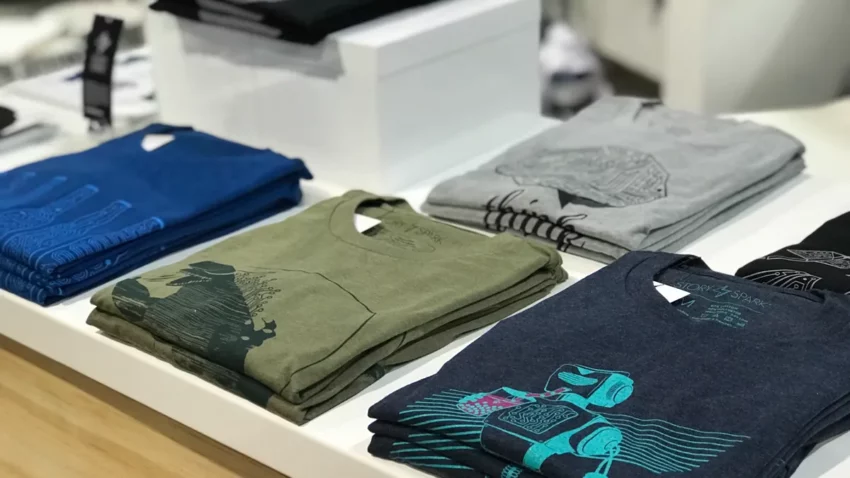
Straight answer
Here’s how to wear anime shirts as an adult: match the print size to the room, keep everything around the shirt plain, get the fit right, and add a layer when you want to turn the volume down. Small chest prints work almost anywhere. Big front and back prints belong to weekends and cons.
Most anime shirts don’t fail because of the show. They fail because of the print.
A giant character face on a thin, baggy tee says “costume” before anyone checks the series. The same fandom as a small chest mark under an open overshirt just looks like taste. This is my honest take on how to wear anime shirts so they read as clothes: print size, fit, layers, color, then washing.
What is the three-meter test for anime shirt prints?
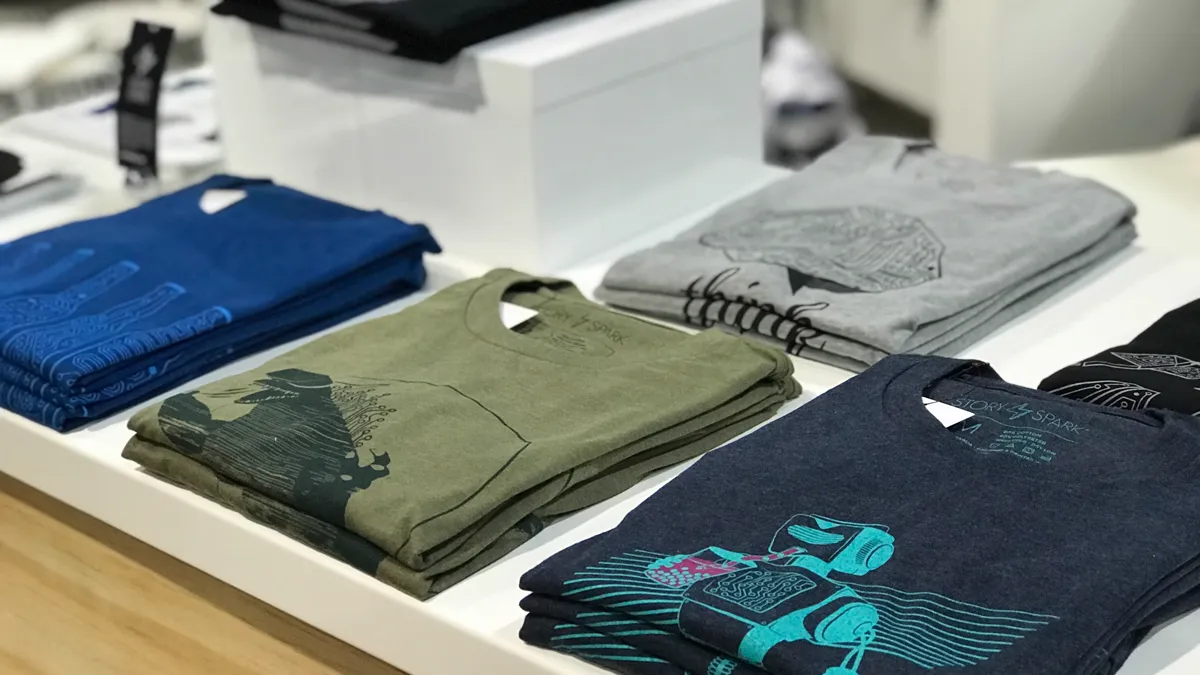
The three-meter test is a quick way to judge how loud a shirt is. Picture someone standing about three meters away, roughly ten feet. If they can name the show or the character from your shirt, the print is loud. If they only see a shape or a color, it’s subtle. Loud isn’t wrong. It just belongs to certain rooms.
Why three meters? It sits inside what anthropologist Edward T. Hall called social distance, which the Wikipedia summary of proxemics puts at 7 to 12 feet (2.1 to 3.7 m) in its far phase. That’s the gap between you and coworkers across a desk, strangers in a coffee line, or people passing on a sidewalk. It’s the distance where your shirt does its talking before you do.
No tape measure needed. Hang the shirt on a door and look at it from the far side of the room, or check a full-length photo of yourself at thumbnail size. Whatever you can still read is what strangers will read.
| Print placement | Typical print width | What reads at three meters | Where it works |
|---|---|---|---|
| Sleeve hit | 1 to 3 in | Nothing, maybe a dot of color | Anywhere, including stricter offices on casual days |
| Left chest mark | 2.5 to 5 in | A small shape or emblem | Work-casual, dinners, under an open overshirt |
| Center chest | 6 to 10 in wide | The outline, not the details | Weekends, errands, casual hangouts |
| Full front | 10 to 12 in wide | The character and usually the title | Weekends with friends, screenings, cons |
| Oversized front | 12 to 15 in wide | Everything, from across a room | Cons and fan events |
| Full back | 10 to 14 in wide | Hidden under a jacket, loud when it comes off | Layered outfits, cons, concerts |
Print widths come from Printify’s t-shirt design size guide. The three-meter column is my own rule of thumb, not a measurement.
Why does a small chest print look less like a costume?
A small chest print looks less like a costume because it behaves like a logo, not a poster. People are used to seeing small marks on normal clothes, so a 2.5 to 5 inch design, the left chest range in Printify’s placement guide, reads as a choice. Fans who know the series still spot it up close.
That “up close” part is the appeal. A chest mark starts conversations with people who get it and stays background noise for everyone else.
Plenty of fans already shop this way. In a r/AnimeMerchandise thread asking for lowkey anime tees, the original poster said they were tired of shirts that just slap a picture or a panel on the front. One reply came from someone buying for a friend who can’t wear clothing with faces on it, and emblem-style designs solved that problem neatly.
If you want to see how a quieter approach plays out across a full range of tops, a shop built around subtle otaku streetwear is a useful reference point before you buy anything new.
- Emblems over faces: a symbol, crest or object from a story reads as design. A face reads as fan merch.
- Tonal prints: a dark gray print on a black tee nearly passes the three-meter test even when it’s large.
- Off-center placement: a hem print, a sleeve hit or a small upper-back mark keeps the front clean.
How should an anime shirt fit?
An anime shirt should fit like any good tee: shoulder seams near the edge of your shoulders, sleeves that don’t flap, and a hem that lands around the hip. Oversized is fine when it’s on purpose, with the rest of the outfit balancing the volume. A great print on a bad fit still looks off.
Fan merch often comes in a single unisex cut, and the blank is usually thin and boxy. That’s why the same design can look sharp on one person and sloppy on another. Before you blame the show, check three things in a mirror.
- Shoulders: if the seam hangs halfway down your arm and you didn’t buy it oversized, size down.
- Length: a hem past the middle of your zipper makes the print sit too low and look like a nightshirt.
- Fabric weight: thin fabric clings and wrinkles around the print, while heavier cotton hangs straight. The tradeoff is heat, so keep the light tees for summer.
If you love an oversized tee, give it a silhouette to work against: straight or tapered pants, or a loose front tuck so your waist shows. Wide pants plus a wide tee plus a big print is three loud things at once.
Honest take: fit fixes more anime shirts than styling tricks do. If a shirt only looks right on a hanger, it’s a pajama shirt now, and that’s fine.
How do you layer an anime shirt?
Layer an anime shirt with something plain and open in front: an overshirt, a light jacket or a cardigan. The layer frames the print, hides part of it and adds texture, so the outfit reads as styled. It also works as a volume knob. Button it up and a loud print becomes a quiet one.
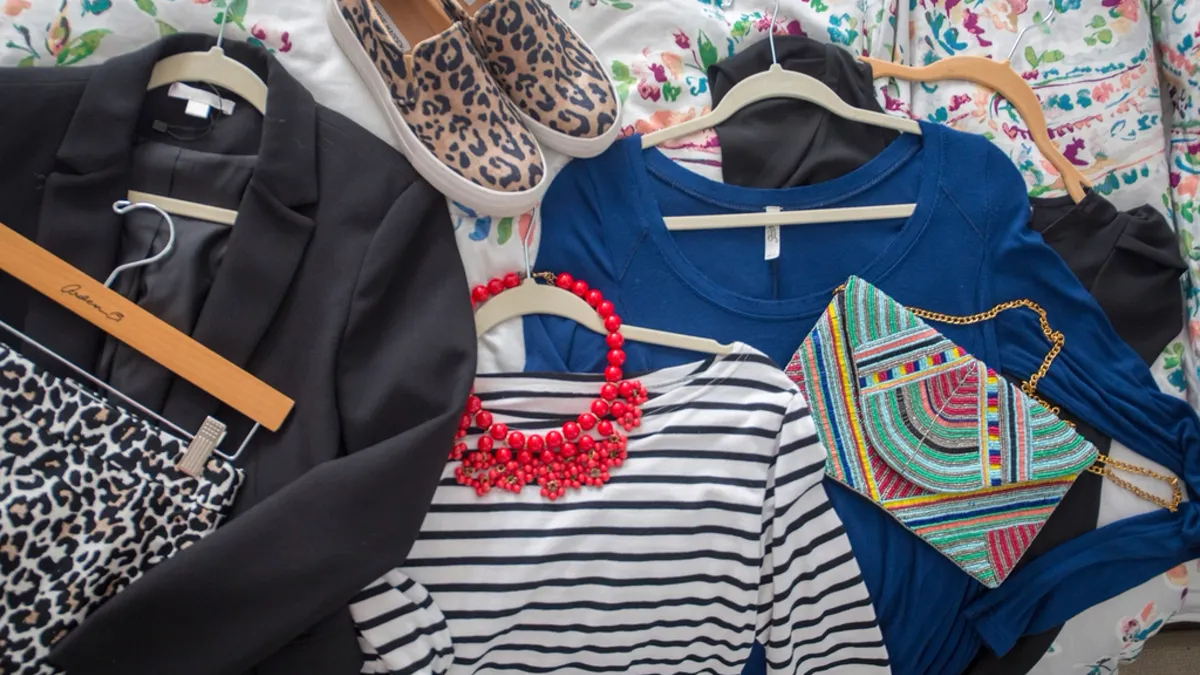
This is the move I’d give anyone with a drawer of tees they never wear. A fan going to a big con without cosplaying asked on r/animeexpo how to style the anime tees that never see daylight. One reply came from a guy who said he likes wearing anime tees less the older he gets, and his fix was exactly this: a light overshirt and solid-color pants or shorts.
- Overshirt: a flannel, chambray or plain twill shirt worn open. The easiest layer, and it works in three seasons.
- Light jacket: a denim jacket, coach jacket or bomber. Cropped jackets suit longer tees because they show some of the print.
- Knit: an open cardigan, or a crewneck sweater with just the collar of the tee showing. Very office-friendly.
- Zip hoodie: casual, but a plain one keeps the tee as the focus. Skip a printed hoodie over a printed shirt.
Back prints love layers. You get a clean front all day, then the full design shows up when the jacket comes off at the bar or the screening.
What colors go with anime shirts?
Pair anime shirts with neutrals: black, gray, navy, olive, khaki, white and raw denim. Then pull exactly one color from the print and repeat it once, in your shoes, a cap or a bag strap. That single echo makes the shirt look planned. More than one echo starts to look like a costume.
Building whole outfits from a character’s color palette is a different approach, and our guide to anime outfits for everyday wear covers it. Here the shirt already carries the fandom, so the rest of the outfit stays quiet.
- Black tee with a bright print: gray or black pants, white sneakers. The print supplies all the color you need.
- White or cream tee: navy, olive or denim. White makes a print look brighter, so check the three-meter test again.
- Colored tee: treat the shirt color as the loud part and keep pants and layers neutral.
Small accessories count as the echo too. In that same r/animeexpo thread, another fan said she bought earrings and a bag charm that matched her shirt. One coordinated accessory works. Matching earrings, pins, socks and a cap is a full costume again.
How to wear anime shirts by occasion: 4 outfit ideas
The easiest way to choose is to start from where you’re going, then pick the print size that fits that room. These four formulas cover most weeks. Each one names the print, the layer and the bottoms, so you can rebuild it from what you already own.
- Work-casual: a left chest mark or sleeve hit, an open overshirt or a cardigan, chinos or dark jeans, clean leather or canvas sneakers. Check your dress code first. Wikipedia’s business casual entry notes there’s no agreed definition and quotes one that excludes T-shirts entirely, so a printed tee may only be fine on casual days.
- Weekend errands and hangouts: a center chest or full front print, straight jeans or cargo pants, sneakers. Add a cap in a color from the print if you want the single echo.
- Dinner or a date: a small or tonal print, a jacket on top, darker pants. The jacket does the dressing up while the shirt keeps it personal.
- Con day: go as loud as you like, but plan for long hours on your feet. Our checklist on what to wear to an anime convention covers layers, bags and shoes for that day.
When should you go loud with a big print?
Go loud when the room is full of people who share the fandom: cons, screenings, release parties, game nights, concerts with anime music. A big print there works as a greeting. Outside those rooms, go loud on one piece only, with a plain layer you can close if the setting changes.
Big prints aren’t immature. The old stereotype of the fan in a faded character tee, which we unpack in what is a weeb, came from wearing the loudest shirt everywhere, with no fit and no layer. Choosing when to wear the loud one is what makes it look intentional.
Honest take: own one or two loud shirts you love and a handful of quiet ones you wear every week. The quiet ones are what make the loud ones feel like a treat.
How do you wash anime shirts so the print lasts?
Wash anime shirts inside out, on a short cycle, in cold water, then air-dry them. That combination cuts the rubbing and heat that crack and fade prints. Always read the care label first, because the maker’s instructions win over any general tip, and some prints can’t take an iron at all.
Each step has a source behind it:
- Turn it inside out: the American Cleaning Institute’s tips on keeping dark clothes from fading suggest turning garments inside out so they don’t rub against other clothes, and using a shorter wash cycle.
- Wash cold: the same American Cleaning Institute guidance says hot water and machine drying make fading happen faster.
- Know what “cold” means: the glossary of the US care labeling rule, 16 CFR Part 423 Appendix A (full glossary text on Cornell’s law site), defines cold as an initial water temperature up to 86°F (30°C).
- Read the symbols: per Wikipedia’s laundry symbol guide, a wash tub with one dot (or “30” in international labels) means wash at or below 30°C (86°F).
- Iron with care: the same federal glossary defines “cool iron” as the lowest temperature setting. Iron the shirt inside out and never directly on the print.
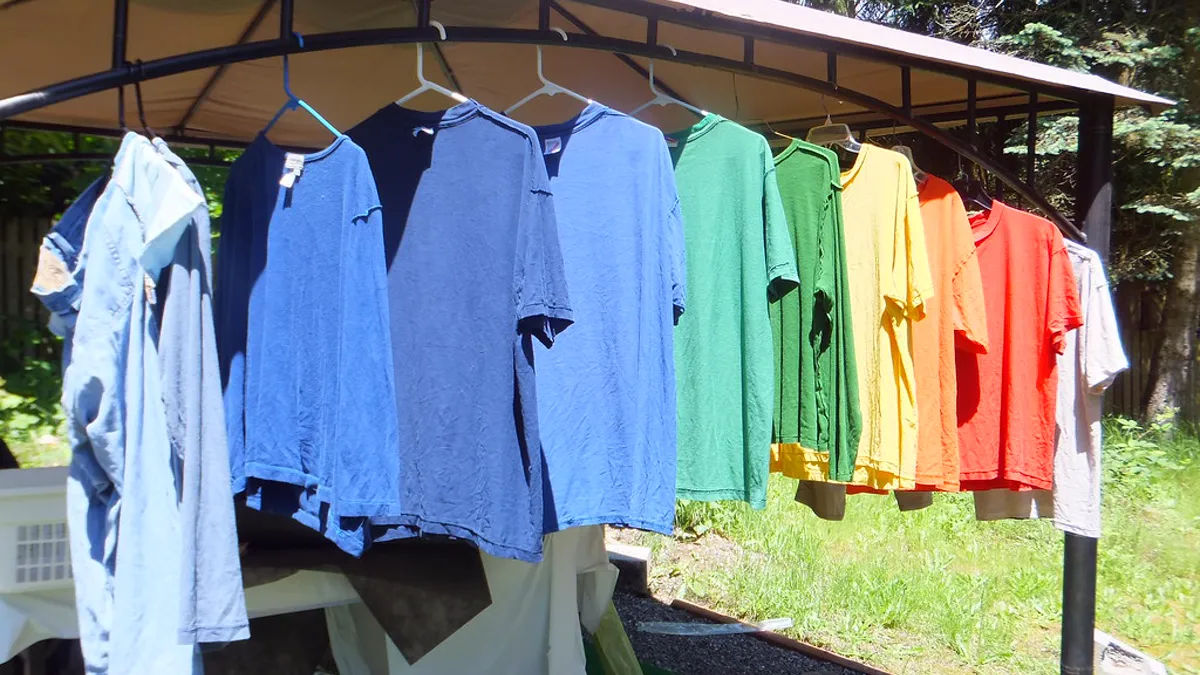
One more habit: hang tees on wide hangers or fold them with the print facing in. Stacking prints face to face in a hot drawer for months can make them stick.
Fans also ask
Is it weird to wear anime shirts as an adult?
No. Graphic tees are normal adult clothing, and anime is mainstream entertainment now. What reads as odd is a shirt that doesn’t fit or a print that’s too loud for the room. Pick the print size for the setting, wear a decent fit, and an anime shirt looks like any other graphic tee.
Can you tuck in an anime shirt?
Yes. A loose front tuck works well on regular and oversized tees because it shows your waist and lifts the print to chest height. A full tuck suits a smaller print worn with trousers. Avoid tucking a very long tee all the way in, since the extra fabric bunches up.
Should anime shirts be oversized?
Only if you want that silhouette on purpose. Oversized tees suit big front and back prints, as long as the pants are straight or tapered to balance them. A regular fit is more versatile and works better under jackets and overshirts. Thin oversized tees tend to look sloppy, so pick heavier fabric if you go big.
Can you wear an anime shirt to the gym?
Yes, but cotton graphic tees hold sweat and heavy prints can feel stiff when you move. Keep a few lightweight printed tees for workouts and save your favorite cotton prints for daily wear. Wash gym tees promptly, inside out and cold.
Can you iron an anime shirt?
Usually, but follow the care label and never iron directly on the print. Turn the shirt inside out and use the lowest setting first. If the label shows an iron symbol with a cross through it, skip the iron and hang the shirt in a steamy bathroom to relax the wrinkles.
How we researched this: print sizes come from Printify’s placement guide, distance from the proxemics research summarized on Wikipedia, and care steps from the American Cleaning Institute and the US care labeling rule glossary. Fan experiences come from public Reddit threads. AI helped draft this guide; a human writer checked and edited it.
Sources: Printify t-shirt design size guide; Wikipedia entries on proxemics, business casual and laundry symbols; American Cleaning Institute, keep dark clothes from fading; 16 CFR Part 423 Appendix A (Cornell LII); r/AnimeMerchandise and r/animeexpo threads.