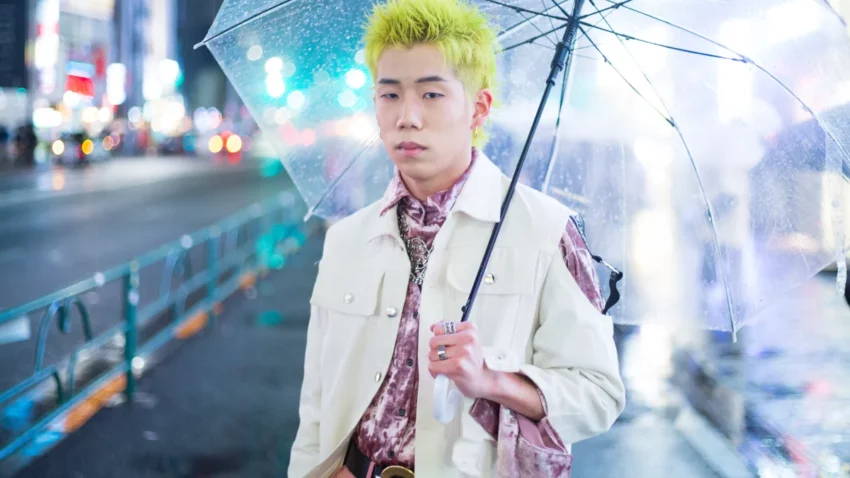
As Japanese pop culture shapes global streetwear, styling everyday anime outfits allows fans to showcase their favorite fictional aesthetics through subtle, wearable fashion rather than full costumes.
Quick Answer: Anime outfits in modern street fashion represent wearable, everyday ensembles inspired by character color palettes, signature silhouettes, and thematic motifs rather than full-body cosplay replicas. By pairing neutral base garments with distinctive accent colors, graphic layering, and grounded footwear, fans translate iconic animation aesthetics into versatile casual wardrobes suitable for school, work, and social outings.
Fandom fashion has experienced a significant evolution over the past decade. Where anime enthusiasts once had to choose between wearing literal polyester costumes at fan conventions or settling for generic merchandise tees, today’s community embraces fashion-forward styling. Within our anime style and cosplay section, we examine how global subcultures merge Japanese graphic sensibilities with modern urban apparel to create balanced daily ensembles.
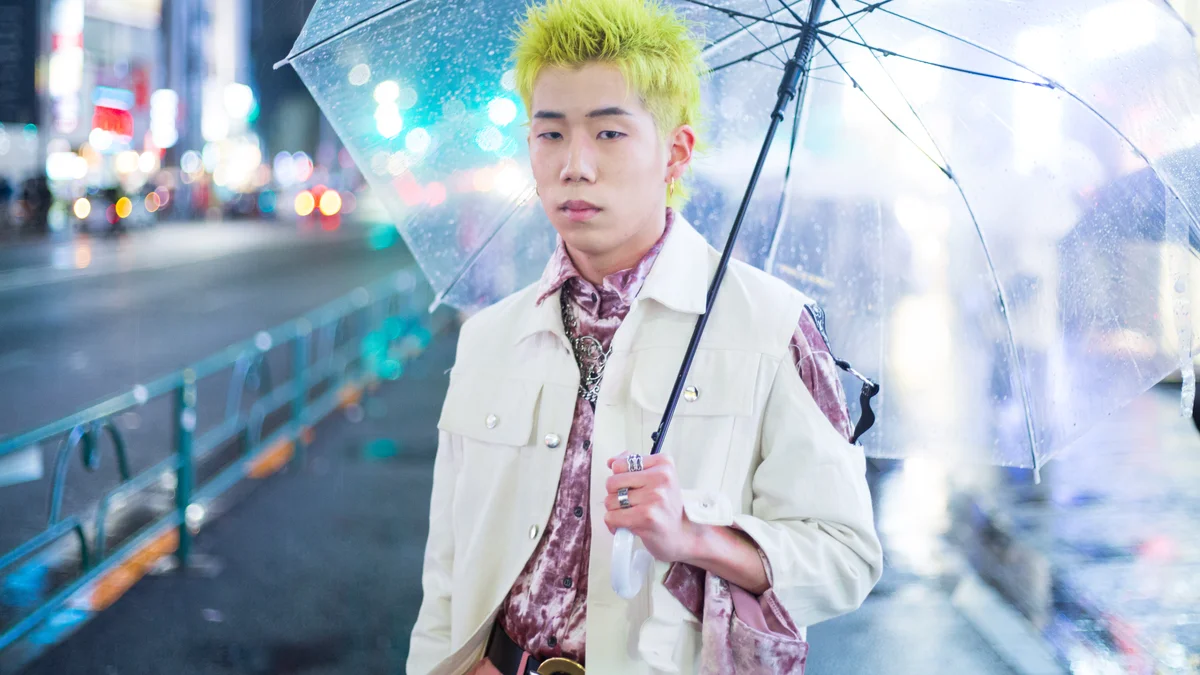
What Distinguishes Everyday Anime Outfits From Convention Cosplay?
Everyday anime outfits differ fundamentally from convention cosplay in intent, fabric construction, and social context. While cosplay prioritizes exact screen accuracy to transform the wearer into a living replica of a fictional character, anime-inspired daily wear adapts character motifs into functional street garments designed for comfort, durability, and casual social wear.
Understanding this distinction prevents fashion enthusiasts from unintentionally assembling outfits that feel like costume party attire. Key differentiating factors include:
- Garment Construction and Materials: Convention cosplay often utilizes lightweight synthetic materials, craft foam, and synthetic wigs built specifically for visual impact on convention stages. Casual anime-inspired streetwear relies on premium textiles like heavyweight cotton fleece, breathable French terry, and durable denim that withstand regular washing and daily commutes.
- The “In-the-Know” Aesthetic Principle: The best fandom streetwear incorporates subtle visual cues that fellow community members immediately recognize while remaining completely unobtrusive to casual passersby. A color-blocked windbreaker sharing the exact teal, black, and white proportions of an iconic protagonist communicates fandom affinity without requiring giant character headshots.
- Functional Daily Utility: Streetwear designs prioritize real-world usability, featuring reinforced pockets, ergonomic cuts, adjustable drawstrings, and climate-appropriate layering pieces. Fictional costumes frequently include impractical cloaks, oversized buckles, or restrictive straps that hinder everyday movement.
By shifting focus from literal imitation to thematic interpretation, fans develop sophisticated personal wardrobes that honor their beloved series while maintaining effortless modern style.
Can Everyday Garments Create Anime Inspired Outfits?
Learning how to dress like an anime character without looking like a costumed performer requires a structured styling method. Follow this practical five-step wardrobe checklist to assemble balanced, striking ensembles from standard garments:
- Step 1: Apply the 60-30-10 Color Palette Rule: Fictional character designs rely on strict color blocking to ensure readability on screen. Translate this to streetwear by allocating 60 percent of your outfit to a neutral base (black, charcoal, beige, or white), 30 percent to a secondary signature tone (navy, olive, burgundy, or khaki), and 10 percent to an eye-catching accent pop (safety orange, crimson, or cyber yellow).
- Step 2: Choose an Intentional Silhouette Anchor: Modern animation utilizes distinct character silhouettes ranging from oversized athletic wear to sharp technical tailoring. Decide early whether your outfit centers on an oversized boxy hoodie, relaxed wide-leg cargo trousers, or a cropped tactical utility jacket. Balance exaggerated proportions by keeping adjacent garments structured.
- Step 3: Build Depth Through Layered Textures: Flat graphic prints can feel visually uninspired on their own. Elevate your ensemble by combining contrasting materials such as a ribbed knit beanie, a matte twill overshirt, a fleece mid-layer, and technical nylon cargo pants.
- Step 4: Select Grounding Footwear: Footwear acts as the visual foundation for any stylized outfit. As detailed in our comprehensive anime footwear styling guide, chunky skate sneakers, retro basketball high-tops, and rugged combat boots ground bold graphic tops and balance loose leg openings.
- Step 5: Incorporate Meaningful Micro-Details: Add subtle personality through curated accessories rather than excessive logos. Enamel character pins on a canvas tote bag, custom lanyard keychains, embroidered cuff tags, or coordinated crew socks communicate fandom passion with sophisticated restraint.
| Styling Component | Recommended Garment Choice | Visual Function in Outfit | Key Fandom Reference Point |
|---|---|---|---|
| Base Layer | Heavyweight boxy crewneck or drop-shoulder tee | Establishes neutral foundation and relaxed drape | Urban slice-of-life casual wear |
| Outer Layer | Utility windbreaker or multi-pocket vest | Introduces functional texture and layered depth | Shonen protagonist gear |
| Bottom Wear | Wide-leg ripstop cargos or pleated trousers | Balances silhouette proportions below torso | Martial arts uniform silhouettes |
| Footwear | Color-matched high-tops or platform sneakers | Anchors total look and echoes accent hues | 90s retro anime athletic sneakers |
| Accessories | Canvas crossbody bag or embroidered strap | Delivers subtle narrative easter eggs | Academy crests and faction insignia |
Implementing this structured checklist ensures every garment works harmoniously, transforming abstract character concepts into cohesive, expressive personal fashion.
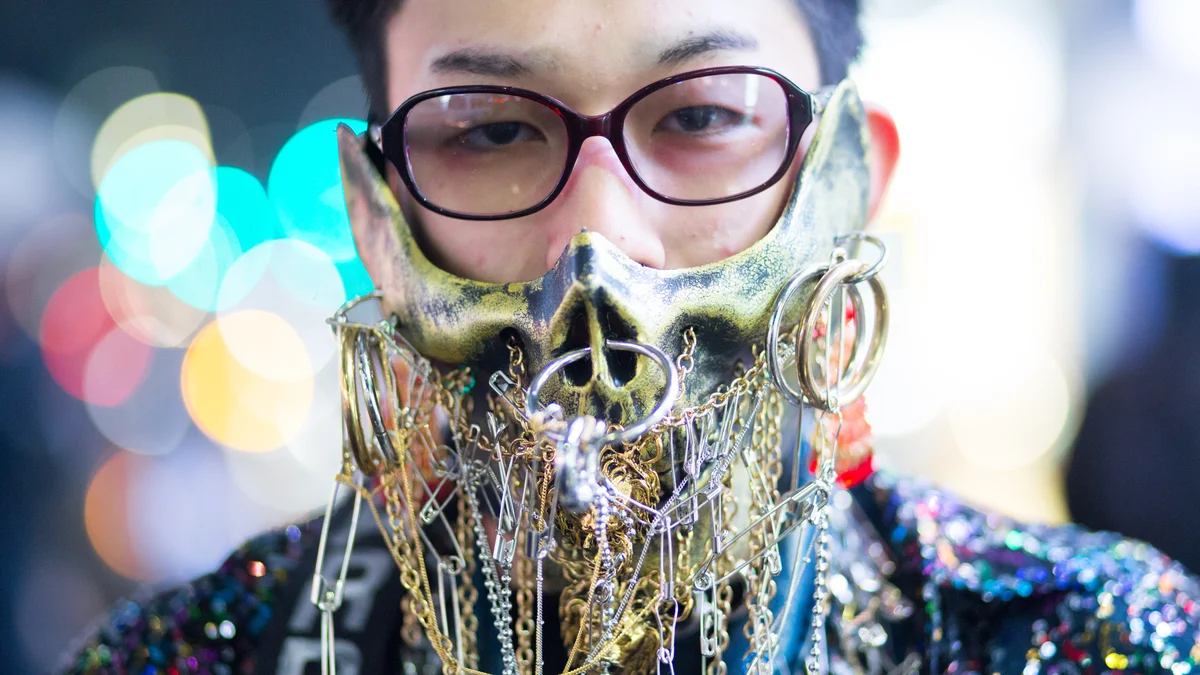
Which Character Styling Formulas Work for Everyday Anime Wardrobes?
Rather than copying one specific character, experienced fashion enthusiasts organize their wardrobes around recognizable narrative archetypes. Below are four highly versatile styling formulas adapted for contemporary street settings:
1. The Shadow Shinobi Urban Streetwear Look
Inspired by covert ninja operatives and nighttime reconnaissance aesthetics, this formula emphasizes functional utility, sleek weather-resistant textiles, and muted dark palettes. Build this look starting with tapered black cargo pants featuring utilitarian straps, paired with a heavyweight charcoal hoodie and an asymmetrical water-repellent windbreaker.
For fans drawn to stealthy monochromatic silhouettes, pairing relaxed cargo pants and utility straps with items from a dedicated shinobi streetwear apparel collection channels covert character motifs into comfortable daily wear. Finish the look with matte black trail-runner sneakers and a compact tactical chest rig to achieve a clean urban aesthetic that feels ready for any environment.
2. The Retro Mecha Pilot Technical Palette
Drawing aesthetic inspiration from classic 1980s and 1990s sci-fi animation, this formula pairs utilitarian military silhouettes with bold industrial color blocking. The core ensemble features an off-white or light grey bomber jacket accented by high-contrast crimson and cobalt blue sleeve panels, layered over a crisp white cotton crewneck.
Match the jacket with relaxed olive fatigue pants or straight-leg dark raw denim. Footwear should consist of clean retro basketball sneakers with bright primary color accents that echo the mechanical graphics of vintage mobile suits. Add industrial canvas belts with metal clip buckles to complete the retro-futuristic mood.
3. The Slice-of-Life Academy Uniform Casual
High school and slice-of-life anime frequently present charming school uniforms that easily adapt into preppy collegiate streetwear. To pull off this aesthetic in a modern casual context, combine a beige or navy cable-knit oversized cardigan with a structured Oxford button-down shirt left untucked for an effortless, lived-in feel.
Pair the top layers with charcoal pleated trousers or dark tailored shorts, complemented by white ribbed crew socks and polished leather penny loafers or clean low-profile skate shoes. This creates a refined, academic look that channels Japanese school campus energy without requiring novelty uniform pieces.
4. The Cyberpunk Rogue Neon-Accent Ensemble
Futuristic dystopian anime often presents high-contrast worlds combining decaying industrial grunge with piercing holographic signage. Channel this vibe by combining an oversized washed black graphic hoodie featuring Japanese kanji typography with an olive or steel-grey technical parka.
Introduce sharp neon accents such as electric purple, hot magenta, or radioactive cyan through socks, shoelaces, or an industrial clip keychain hanging from your belt loop. Chunky lug-sole boots or futuristic silhouette sneakers ground the vivid color contrast and provide an authentic dystopian edge.
What Are Common Styling Mistakes When Adapting Character Looks?
Translating animated designs into physical outfits comes with specific aesthetic pitfalls. Avoid these common styling mistakes to keep your outfits stylish, comfortable, and mature:
- Overloading Multiple Loud Fandom Pieces: Wearing an anime graphic t-shirt alongside anime-branded pants, socks, a printed backpack, and a themed cap simultaneously creates overwhelming visual clutter. Limit yourself to one bold fandom statement piece per outfit, allowing the rest of your garments to serve as clean, framing neutrals.
- Prioritizing Direct Accuracy Over Garment Fit: An ill-fitting polyester jacket purchased from a costume manufacturer will never look as flattering as a well-tailored denim jacket in the character’s signature color. Focus on how clothing drapes on your physical body rather than matching arbitrary costume seam lines.
- Ignoring Proportions and Fabric Weight: Anime animators often draw exaggerated baggy silhouettes that look dynamic in two-dimensional motion but can look messy in real life if fabrics are overly thin and limp. Invest in heavyweight fabrics that hold their structure and maintain a clean, intentional drape throughout the day.
- Neglecting Weather Appropriateness: Do not compromise physical comfort for an aesthetic concept. Wearing multi-layered fleece hoodies and tactical jackets in mid-summer heat ruins your confidence and comfort. Adapt concepts to the climate by switching heavy outer layers for lightweight linen button-downs or breathable mesh vests with identical palette proportions.
Common Styling Queries About Anime Wardrobes
Below are clear, factual answers addressing frequent questions about styling anime-inspired wardrobes, sourcing wearable items, and dressing with taste.
Can I wear anime inspired outfits to school or the office?
Yes, anime-inspired outfits work well in academic and business-casual environments when styled through subtle color blocking and silhouette choices. By wearing neutral tones with small character accent colors and avoiding oversized graphic prints, you can honor your favorite characters while respecting institutional dress codes.
How do I start building an anime wardrobe on a budget?
Start by auditing your existing closet for neutral staples like black t-shirts, grey hoodies, and standard denim. Then thrift or purchase inexpensive layering pieces such as unbranded utility vests, colored flannel shirts, or retro caps that match character color palettes. You do not need expensive specialized brands to create recognizable looks.
What is the difference between anime streetwear and closet cosplay?
Closet cosplay uses everyday clothing to create a recognizable costume for photography, casual conventions, or social media, frequently including character wigs or prop replicas. Anime streetwear adapts character aesthetics into functional, stylish garments meant for everyday living without portraying the character directly.
How can I find character color palettes to design my outfits?
Examine official animation character model sheets, art book color guides, or use digital color picker tools on high-resolution screenshots. Identify the two dominant wardrobe shades and one bright accent color, then map those exact tones to standard clothing garments using the 60-30-10 color rule.
Which shoe styles pair best with anime graphic clothing?
Chunky skate shoes, classic high-top basketball sneakers, and utilitarian combat boots pair best with anime clothing. These silhouettes provide sufficient visual weight to balance oversized streetwear tops, graphic hoodies, and wide-leg cargo pants.
How we researched this: Our editorial team surveyed Tokyo street snaps from Harajuku and Shibuya districts, analyzed character model color sheets across major anime studios, and reviewed streetwear community styling discussions to construct this practical everyday wardrobe guide.