Internet slang spreads rapidly across digital chatrooms and gaming servers. Understanding what does uwu mean reveals how text emoticons evolved from niche anime fan forums into mainstream online communication.
What does uwu mean quick summary: Uwu is a text-based emoticon depicting a happy, affectionate face. The two letters “u” represent closed, content eyelids, while the middle “w” represents a cute smiling cat or animal mouth. Internet communities use uwu to express warmth, adoration, cuteness, or playful joy during digital chats.
Table of Contents
Typographic emoticons hold a rich history dating back to early computerized bulletin boards. Long before graphical emoji keyboards became ubiquitous across mobile operating systems, early internet adopters utilized standard ASCII keyboard characters to convey emotional subtext. Among the diverse spectrum of text faces created by global fandoms, few symbols achieved the cultural longevity and cross-platform recognition of uwu.
What Does Uwu Mean in Text and Online Messaging?
In text messaging, uwu functions as a visual depiction of emotional warmth, relief, or overwhelmed affection. Senders post uwu when responding to heartwarming animal videos, adorable character artwork, comforting compliments, or wholesome personal achievements during casual digital conversations.
Deconstructing the typographic anatomy of uwu clarifies its emotional intent. Unlike Western emoticons such as “:-)” that require tilting your head sideways to read, uwu follows the horizontal kaomoji tradition pioneered by Japanese computer networks. The characters align horizontally to construct an expressive animal face:
- The Eyes (“u”): The two lowercase “u” characters mimic curved, shut eyelids resting in peaceful contentment or sheer bliss, reminiscent of classic manga facial expressions where characters close their eyes while smiling broadly.
- The Mouth (“w”): The center “w” character represents a puckered feline upper lip or animal snout, commonly drawn in anime to denote mischievous, innocent, or affectionate pet-like behavior.
- Phonetic Pronunciation: Although initially intended strictly as visual typography, internet speakers began pronouncing the term phonetically as “oo-woo” during live video streams, voice chats, and casual conversation.
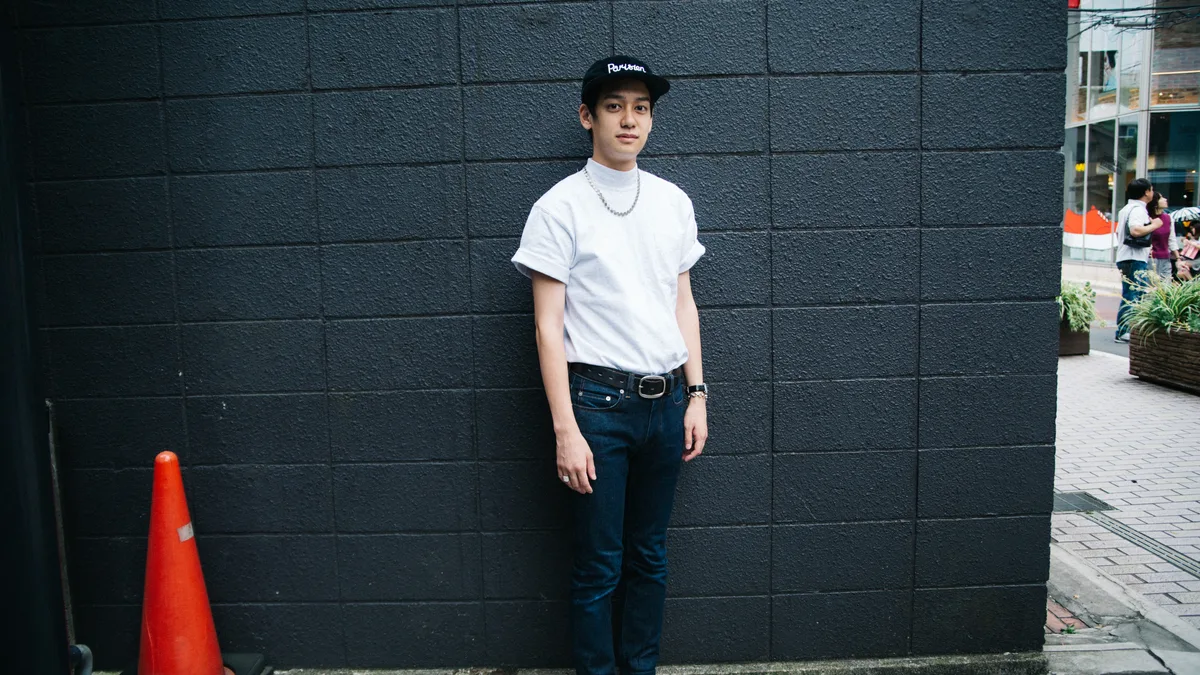
In contemporary social fashion and lifestyle circles, adopting playful aesthetics extends beyond chat logs into tangible streetwear choices. Enthusiasts exploring our Otaku Culture archive frequently pair expressive graphic apparel and fandom street shoes with relaxed daily garments, displaying their creative interests through cohesive physical styling.
Beyond individual interpersonal messages, digital communities developed intricate etiquette guidelines governing when uwu feels welcoming versus when it appears out of place. On public community Discord servers and gaming subreddits, deploying uwu signals approachable camaraderie and friendliness. When new members join a server and introduce themselves, longtime members regularly respond with warm welcoming messages accented by uwu to establish an inclusive environment free from aggressive gatekeeping.
Conversely, contextual awareness remains essential when communicating across diverse online spaces. Using cute stylized text faces in competitive debate threads or professional development platforms often creates unintended tonal friction. Understanding how digital subcultures establish informal linguistic boundaries helps fans express personal enthusiasm while respecting the communication standards of different virtual spaces.
Why Was the Uwu Emoticon Created by Fandom Writers?
The uwu emoticon originated historically within early 2000s anime fanfiction communities and online chat forums. Digital archives track the earliest documented written appearance to a Yu-Gi-Oh fanfiction titled “Genie of the Music” published on Fanfiction.net in October 2005, where the author utilized the symbol to represent playful embarrassment.
Throughout the late 2000s and early 2010s, uwu expanded across multiple social hubs including Tumblr, DeviantArt, and Reddit. As anime fandom culture integrated into broader internet humor, the symbol experienced several distinct developmental epochs:
- The Fanfiction and Roleplay Phase (2005 to 2012): Used primarily by writers and forum roleplayers to denote shy, sweet, or flustered reactions between fictional characters.
- The Tumblr Fandom Golden Age (2012 to 2016): Evolved into a ubiquitous cultural tag for wholesome, cute, or comforting posts, frequently paired with pastel aesthetic imagery and soft character edits.
- The Gaming and Twitch Proliferation (2016 to 2020): Adopted widely across Discord communities, multiplayer lobbies, and live streaming chat boxes, where users deployed uwu both earnestly and as playful banter.
- Mainstream Meme Culture (2020 to Present): Embraced by corporate brand accounts, musical artists, and mainstream social media creators as an established component of modern internet vocabulary.
The historical migration of uwu parallels the rise of kaomoji across early Japanese cyber-culture. Online forums established expressive emoticons that relied on standard character sets rather than western sideways punctuation marks. When international internet users discovered serialized anime through early digital distribution channels, they adopted these horizontal face conventions on message boards like Gaia Online and Neopets. As digital communication expanded onto mobile devices, uwu endured because it required only three keystrokes on standard alphanumeric layouts, requiring no special character sets or emoji pickers.
How Do Modern Communities Use Uwu vs Owo?
Modern communities distinguish uwu from owo based on emotional alertness and intent. While uwu communicates relaxed warmth and peaceful contentment, owo replaces the closed “u” eyes with wide circular “o” characters, signaling shock, intense curiosity, surprise, or mischievous amusement.
The visual distinction alters the tone of a message completely. Posting “I finished all my exams today uwu” conveys exhausted satisfaction and peaceful relief. Conversely, typing “I just saw the new plot twist owo” communicates wide-eyed astonishment and eager anticipation. Both emoticons belong to the same expressive stylistic family, but understanding their tonal variance prevents awkward misunderstandings in community servers.
In addition, tone in modern text communication oscillates between earnest sincerity and self-aware irony. In close friendship groups, typing uwu signifies genuine appreciation for a thoughtful gift or supportive message. In competitive online gaming lobbies, players occasionally deploy uwu sarcastically after executing an improbable victory, utilizing deliberate sweetness to playfully disarm opponents.
Beyond isolated emoticon usage, creative internet users developed an entire stylistic vernacular known colloquially as uwu-speak. This playful typing dialect systematically replaces hard consonant sounds like “r” and “l” with soft “w” sounds, imitating exaggerated cartoon baby talk or cute pet personas. While frequently utilized for comedic parody or absurd copy-pastas across streaming chat boxes, uwu-speak demonstrates how digital communities transform simple visual symbols into complete phonetic subcultures that define online group identity.
Essential Anime and Otaku Slang Glossary
Understanding uwu is closely tied to the broader vocabulary of anime fandom and internet culture. The comparative reference matrix below provides neutral cultural definitions for 12 foundational terms encountered across online gaming, streaming, and discussion forums:
| Slang Term | Linguistic Origin | Literal Meaning | Community Fandom Context |
|---|---|---|---|
| uwu | Internet typography | Closed happy eyes, cat smile | Expresses tenderness, cuteness, or peaceful joy |
| owo | Internet typography | Wide open eyes, cat smile | Expresses shock, surprise, or playful curiosity |
| kawaii | Japanese (可愛い) | Cute, adorable, lovable | Appreciates sweet character designs or fashion |
| baka | Japanese (馬鹿) | Foolish, silly, idiotic | Playful teasing between friends or anime tropes |
| senpai | Japanese (先輩) | Senior colleague or student | Respectful address for older peers or mentors |
| tsundere | Japanese archetype blend | Harsh outside, gentle inside | Characters concealing warm feelings behind prickliness |
| yandere | Japanese archetype blend | Loving outside, obsessive inside | Characters displaying intense romantic fixation |
| nani | Japanese (何) | What? | Meme expression denoting comical disbelief |
| otaku | Japanese (おたく) | Household, dedicated enthusiast | Passionate fans devoted to anime, manga, or games |
| weeb | Western slang abbreviation | Weeaboo | Enthusiasts embracing Japanese pop culture |
| waifu / husbando | English loanword adapted | Fictional wife / husband | Beloved fictional character favored by a fan |
| ara ara | Japanese interjection | Oh my, my my | Maternal or playful teasing expression by mature characters |
| chibi | Japanese (ちび) | Small child, miniature | Stylized art style depicting characters with oversized heads |
| seiyuu | Japanese (声優) | Voice actor | Celebrated Japanese voice performers voicing anime and games |
| isekai | Japanese (異世界) | Different world | Fantasy genre where characters are transported to new realms |
As demonstrated in our vocabulary table, anime community jargon blends authentic Japanese linguistic loanwords with inventive Western digital typography. Fans diving into episodic storytelling, such as mapping out long-running adventures through our guide to filler arcs, will regularly spot these terms woven across episode comment sections and fan reactions.
Fandom terminology functions as a linguistic bridge connecting diverse global communities. When enthusiasts share creative fan art, stream gameplay, or debate plot points, utilizing standardized community terms allows individuals from completely different cultural backgrounds to connect immediately over mutual narrative appreciation.
Common Reader Queries Regarding Uwu and Internet Slang
Below are clear, factual answers addressing common reader inquiries regarding the usage, context, and etiquette of uwu in modern digital culture.
Is uwu considered an official word in English dictionaries?
Major English reference authorities, including Dictionary.com and Merriam-Webster, recognize uwu as an established internet slang term and emoticon. While not utilized in formal academic or legal writing, standard lexical databases document its definition, part of speech, and communicative function in digital communication.
Is using uwu in text messages considered cringey or acceptable?
The social reception of uwu depends heavily on context and platform. In casual text exchanges between friends, Discord gaming communities, and fan spaces, using uwu is common and welcome. In professional workplaces, academic correspondence, or formal emails, using informal emoticons is generally discouraged.
How do you respond when someone sends you uwu?
You can respond to uwu with matching friendly emoticons such as “:)”, “owo”, or an appreciative comment acknowledging the sender’s warm tone. If the message was sent as a compliment or wholesome remark, a simple “thank you” or smiling emoji mirrors the positive energy cleanly.
What does the expression uwu girl mean in internet slang?
In internet culture, an “uwu girl” describes an online personality or creator who embraces cute kawaii aesthetics, pastel fashion palettes, gentle vocal inflections, and playful anime-inspired mannerisms across platforms like TikTok and Twitch.
Can uwu be used as a verb in conversation?
Yes, internet speakers occasionally use uwu as an informal verb meaning to act overly affectionate, speak in a gentle baby-talk tone, or react emotionally to something adorable (for example, “they were uwu-ing over the puppy video”).
How we researched this: Our editorial team analyzed early Usenet and Fanfiction.net web archives, cross-referenced lexical database entries from major dictionary authorities, and reviewed linguistic survey data documenting text emoticon evolution across online community platforms.