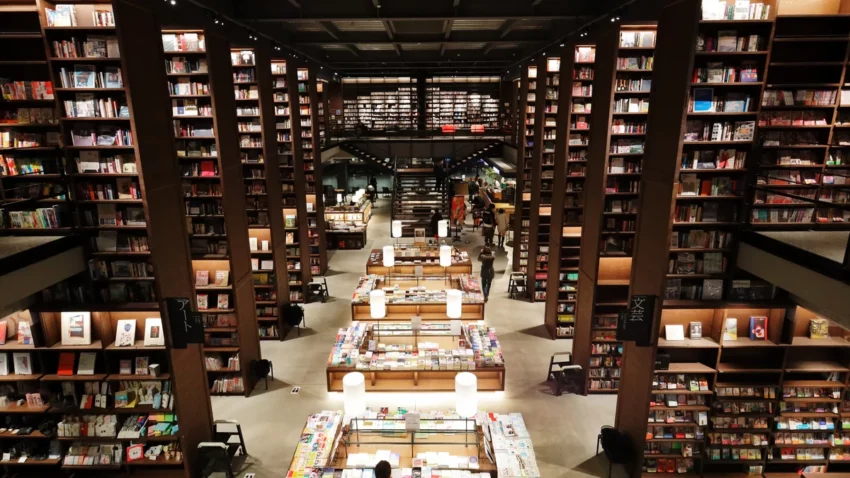
Behind dozens of celebrated anime television series stands a foundational literary medium: the light novel. For international readers discovering Japanese pop culture, understanding these compact volumes unlocks a deeper appreciation for modern animation.
What is a light novel? A light novel is a style of Japanese young adult prose fiction published in compact pocketbook volumes. Featuring conversational dialogue, fast-paced storytelling, and manga-style illustrations, light novels frequently supply the foundational source material for major anime television broadcasts and graphic novel adaptations worldwide.
Table of Contents
Table of Contents
What Is a Light Novel in Japanese Publishing?
In Japanese publishing, a light novel represents a distinct category of prose fiction targeted primarily at middle school, high school, and young adult readers. Printed predominantly in the compact bunkobon format, these volumes emphasize brisk chapter progression, dialogue-heavy exposition, and full-page character illustrations created by prominent anime artists.
The term light novel does not imply lightweight themes or simplistic writing. Instead, the adjective light refers to the approachable reading experience. Japanese publishers format light novels with generous margins, shorter paragraph structures, and pervasive ruby text known as furigana. Furigana displays small phonetic kana characters alongside complex kanji symbols, allowing younger students and second-language learners to read advanced vocabulary without stumbling over unfamiliar ideograms.
Physically, most light novels measure approximately 105 by 148 millimeters, conforming to the standard Japanese A6 bunkobon size. This pocket-sized profile emerged intentionally to accommodate daily train commuters across Tokyo and Osaka who needed portable reading entertainment during crowded transit. A typical volume spans 200 to 300 pages, containing roughly 40,000 to 50,000 Japanese characters, which translates to approximately 35,000 to 45,000 English words.
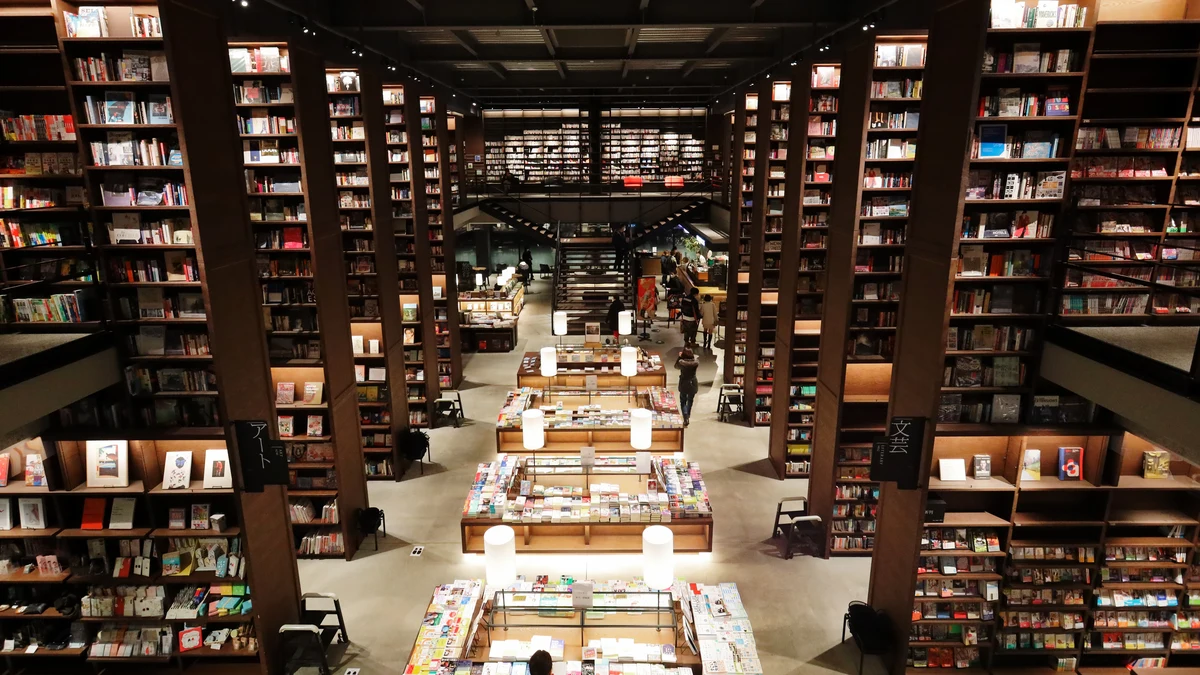
Every volume typically includes a colorful full-color pull-out poster foldout tucked behind the front cover, followed by several black-and-white ink drawings scattered throughout critical dramatic moments. These visual illustrations introduce character designs early, giving readers concrete visual anchors that mirror anime aesthetics. As we explore throughout our manga and light novel guides, this visual integration creates a natural springboard for future animation production.
How Do Light Novels Contrast With Traditional Manga?
Light novels contrast with traditional manga fundamentally through medium structure: manga communicates narrative predominantly through sequential visual panels and speech bubbles, whereas a light novel tells its story primarily through written prose paragraphs punctuated by occasional static illustrations.
Readers unfamiliar with Japanese publishing often confuse the two media formats because they frequently share identical artistic styles, cover designs, and promotional campaigns. However, creating a light novel requires a solitary novelist collaborating with an assigned illustrator and editor, whereas manga production requires a lead artist (mangaka) sketching hundreds of individual panel layouts, ink drawings, and background perspectives every week.
The following structural characteristics highlight how a light novel differs from manga:
- Narrative Pacing and Internal Monologue: Light novels provide expansive space for first-person introspections, philosophical musings, and detailed world-building lore that would crowd out visual art on a sequential manga page.
- Production Schedules: Mangaka produce weekly or monthly serialized installments for massive anthology magazines, whereas light novel authors publish complete standalone volumes every three to six months.
- Artistic Density: A standard 200-page manga volume contains more than 1,000 illustrated story panels, while a 250-page light novel contains approximately 10 to 15 illustrations in total.
- Adaptation Direction: While manga often adapts directly into anime, light novels frequently receive both a manga adaptation and an anime series concurrently when a title achieves strong sales figures.
For storytellers who want to explain complex magic power systems, intricate political rivalries, or deep character psychology, prose offers flexibility that graphic panels cannot easily match. Conversely, high-energy action sequences and comedic facial reactions often flourish more naturally in serialized manga.
Why Do Web Novels Frequently Become Light Novels?
Web novels frequently become light novels because free online self-publishing portals provide authors with immediate readership testing grounds, allowing commercial publishers to discover pre-validated fantasy concepts, proven fan followings, and commercially viable franchises with minimal financial risk.
In modern Japan, the journey of blockbuster anime hits often begins on free web novel hosting platforms such as Shousetsuka ni Narou (Let’s Become a Novelist) and Kakuyomu. Aspiring writers upload serialized story chapters directly from home computers. Readers rate installments, post chapter feedback, and elevate popular works to trending leaderboards. This direct feedback loop helped fuel the international explosion of the isekai fantasy subgenre throughout the 2010s and 2020s.
Major publishing imprints like Dengeki Bunko, Kadokawa Sneaker Bunko, and MF Bunko J maintain dedicated scouting editors who monitor these digital rankings daily. When a web novel demonstrates sustained reader engagement, editorial teams offer the writer a formal publication contract. During the professional transition from web novel to print light novel, several substantial changes take place:
- Professional Editorial Revision: Editors help the author streamline wandering online plots, correct continuity discrepancies, and polish dialogue cadence for commercial release.
- Professional Illustrator Pairing: Publishers commission celebrated anime character designers to establish definitive visual appearances for the cast.
- Exclusive Bonus Content: Print light novels feature revised story arcs, brand-new side stories, and expanded climax scenes absent from the free web version.
- Media Mix Expansion: Securing a light novel print run unlocks audio drama CDs, merchandise licensing, manga serialization, and eventually television anime development.
This streamlined incubator system explains why modern anime announcements frequently trace their lineage back to amateur online writing platforms before arriving on television screens.
Ranobe Definition and Japanese Terminology Origin
The definition of ranobe centers on its Japanese linguistic origin as a blended portmanteau shortening the loan phrase light novel (raito noberu). Japanese internet users coined this English-derived wasei-eigo terminology in the early 1990s on digital computer bulletin boards to classify emerging young adult fantasy fiction.
Japanese linguistics frequently creates convenient four-mora abbreviations from extended foreign phrases, contracting raito noberu into ranobe (ラノベ). Historians trace the earliest documented usage of light novel back to 1990 within a science fiction discussion forum on the NiftyServe online network. Forum administrator Keita Kamikita used the phrase to describe newly emerging adventure paperbacks from publishers like Sonorama Bunko and Kadokawa Bunko that did not fit neatly into rigid adult literature or traditional children’s fairy tale classifications.
Throughout the 1990s, breakout series like Slayers and Record of Lodoss War demonstrated that combining anime-styled visual aesthetics with accessible fantasy prose generated massive commercial appeal. By the mid-2000s, legendary hits such as The Melancholy of Haruhi Suzumiya, Sword Art Online, and Monogatari established light novels as powerhouse creative anchors across the broader entertainment ecosystem.
Which Publishing Formats Exist Across Japanese Media?
Multiple publication formats exist across Japanese media tailored to specific reading habits, price points, and visual presentation styles. Understanding the differences among these formats clarifies how stories transition across paper and digital screens.
The comparative breakdown below details how light novels position themselves alongside serialized manga, digital web fiction, and conventional adult literature across key publishing metrics:
| Format Category | Physical Dimensions | Average Word Count | Visual Art Density | Primary Distribution | Target Demographic |
|---|---|---|---|---|---|
| Light Novel (Ranobe) | Bunkobon A6 (~105×148 mm) | 35,000 to 50,000 words | 10 to 15 static illustrations | Bookstores, digital e-books | Teens, young adults, anime fans |
| Manga Volume (Tankobon) | B6 or B5 (~128×182 mm) | Minimal prose text | 180 to 220 fully drawn pages | Magazines then graphic volumes | Broad age demographics |
| Web Novel (Syosetu) | Digital only (mobile/browser) | Uncapped serialized chapters | Rarely illustrated online | Free community web portals | Online fiction readers |
| Standard Literature (Bungei) | Tankobon or Bunkobon | 70,000 to 120,000 words | Cover artwork only | Commercial book retailers | General adult readership |
As highlighted in the comparative table, light novels inhabit a specialized niche that bridges rapid textual narrative with rich anime-inspired aesthetics. When animation studios adapt long-running stories, light novel pacing allows creators to avoid the filler episode padding often found in serialized shonen manga, a topic we analyzed thoroughly in our one piece filler guide.
Community Questions and Answers Regarding Light Novels
Below are clear, factual community questions and answers regarding light novel formats, translation availability, and reading mechanics for international readers.
Why are light novel titles so long and descriptive?
Light novel titles are often exceptionally long because many originate on free online web portals like Shousetsuka ni Narou. On crowded digital leaderboards lacking cover art previews, authors write the entire story premise into the title itself so prospective readers immediately understand the protagonist, core conflict, and comedic hook before clicking.
Do light novels have manga adaptations?
Yes, virtually every moderately successful light novel receives an official manga adaptation. Publishers commission manga artists to adapt the novel into serialized monthly chapters to reach visual-oriented readers and build broader audience anticipation before pitching a television anime adaptation.
What is the difference between a light novel and a regular novel?
A light novel features shorter overall lengths (around 40,000 to 50,000 words), anime-style character illustrations, fast-paced conversational dialogue, and phonetic furigana text beside kanji characters. In contrast, standard literature generally excludes internal illustrations, uses denser paragraph structures, and targets mature adult readers.
Can English speakers read light novels legally?
Yes, major international publishers including Yen Press, J-Novel Club, Seven Seas Entertainment, and Square Enix Manga & Books license and translate hundreds of popular light novels into English. Volumes are widely available in print through mainstream bookstores and digitally through major e-book platforms.
Which came first: the anime or the light novel?
In the vast majority of cases, the light novel comes first. Animation studios license established, top-selling light novel series that already command proven fan followings, using the multi-volume written narrative as direct source material for television seasons.
How we researched this: Our editorial team cross-referenced Japanese publishing archives from Kadokawa and Dengeki Bunko, literary sales data, web novel translation communities, and Tokyo bookstore distributions to compile this comprehensive guide.